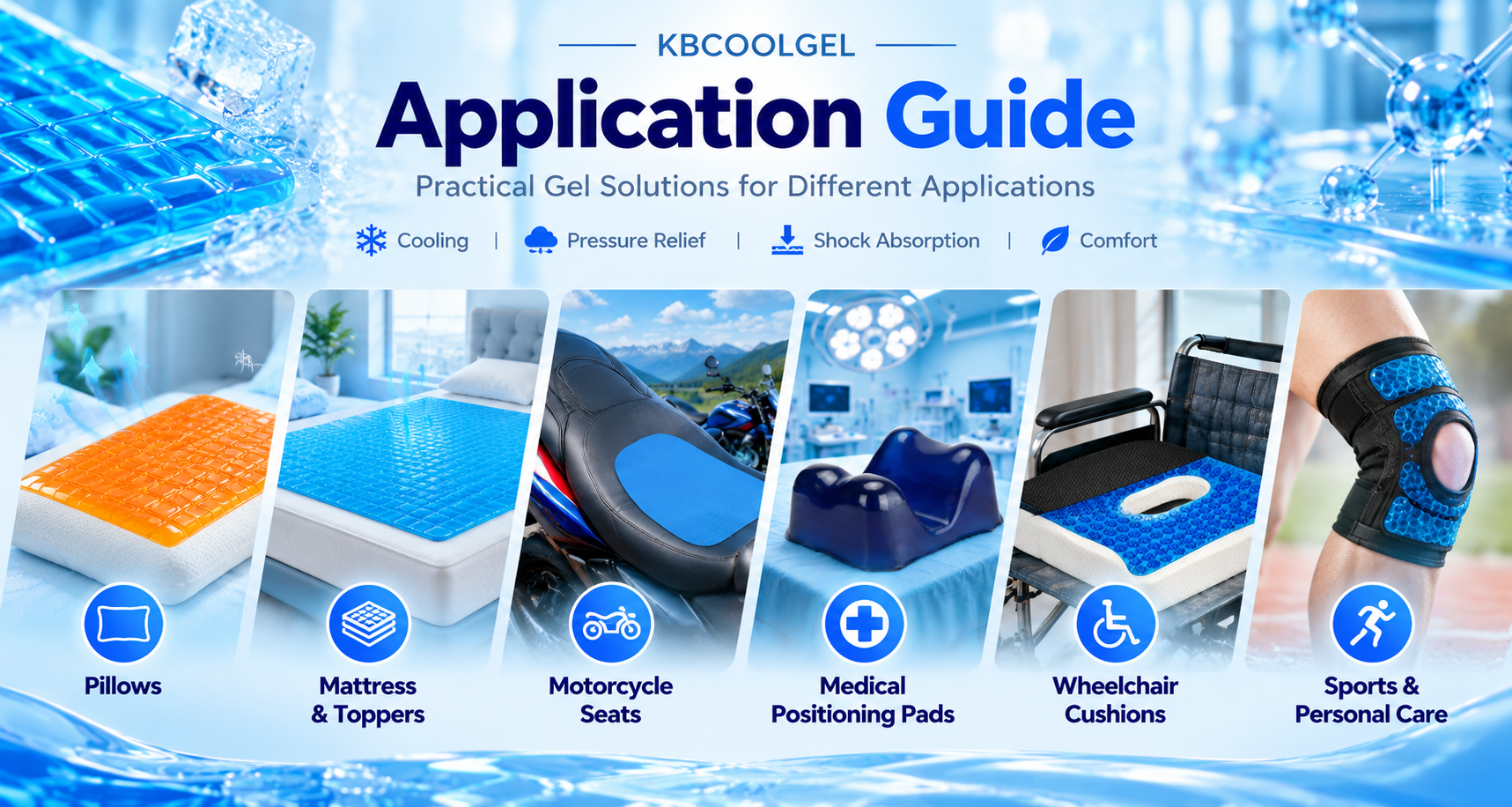
Cooling gel pillow inserts are an effective way for pillow manufacturers to develop differentiated products with enhanced cooling comfort and soft cushioning.
However, not every pillow requires the same gel sheet.
A flat memory foam pillow, a contoured cervical pillow, a latex pillow and a removable cooling pillow cover may require completely different gel shapes, thicknesses, surface materials and backing structures.
Choosing the right gel insert is therefore about more than selecting a cooling material. The gel must also fit the pillow design and work with the manufacturer's existing production process.
At Kunbao, we manufacture custom cooling gel sheets and inserts for pillow manufacturers, bedding brands and OEM/ODM customers.
With gel material manufacturing experience since 2011, more than ten gel formulations and over 400 existing molds, we help customers develop gel inserts according to their product requirements.
This guide explains the main customization options and how to select a suitable structure for your pillow production.
Gel pillow inserts can be manufactured in different lengths and widths according to the pillow design.
Some manufacturers require a gel sheet that covers most of the pillow surface, while others prefer smaller gel inserts positioned only in selected contact areas.
A large gel sheet can be designed to cover a substantial portion of the pillow's upper surface.
This option is suitable for manufacturers who want a broad cooling contact area.
Typical applications include:
Memory foam cooling pillows
Flat sleeping pillows
Premium gel memory foam pillows
Selected latex pillow designs
Smaller gel inserts can be positioned in specific areas of the pillow.
This approach may help manufacturers control material usage and product cost while maintaining the intended gel comfort feature.
Kunbao can manufacture gel sheets according to customer drawings, approved samples or specified dimensions.
OEM Tip: When requesting a quotation, provide the required gel length, width and thickness rather than only the finished pillow size.
The gel insert dimensions may be different from the overall pillow dimensions.
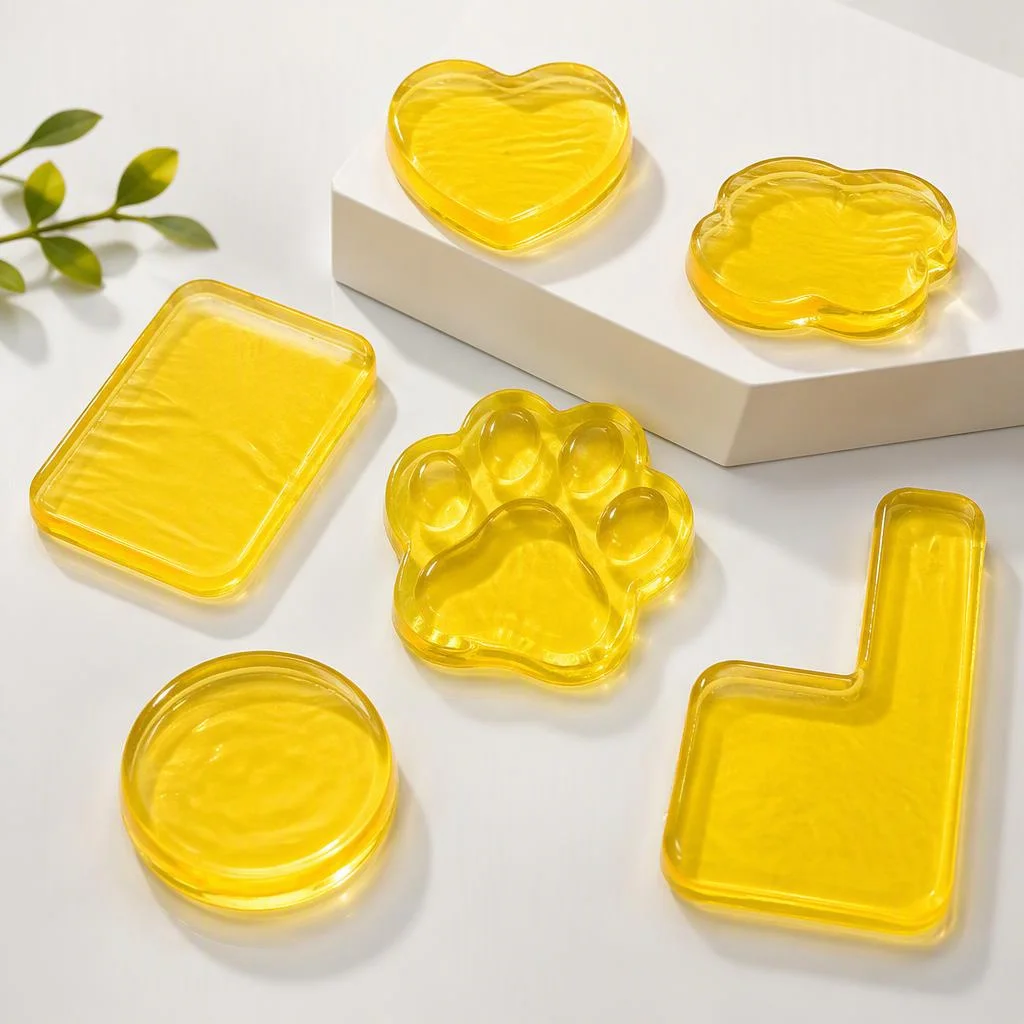
The shape of the gel insert affects its fit, appearance and compatibility with the pillow structure.
Rectangular gel sheets are suitable for many conventional memory foam pillow designs.
They are often selected for straightforward surface lamination or integration into pillow covers.
Contoured pillows may require gel sheets with customized outlines that follow the foam geometry.
A suitable shape helps reduce unnecessary overhang and improves fit during assembly.
Gel inserts can be developed with customized patterns or segmented structures according to the intended product design.
Different patterns may influence flexibility, material distribution and appearance.
For unique pillow designs, custom molds can be developed based on drawings or approved samples.
Kunbao has over 400 existing molds and also supports custom mold development for OEM and ODM projects.
Free mold development is available for eligible projects, subject to the design and cooperation requirements.
Gel thickness and hardness are two important specifications in pillow development.
Thickness affects:
Material consumption
Finished product weight
Cushioning sensation
Flexibility
Manufacturing cost
Compatibility with the pillow structure
Thin gel sheets may be selected when manufacturers want a relatively low-profile cooling layer.
Thicker gel sheets may provide a more substantial cushioning feel but also increase weight and material usage.
The available thickness range depends on the gel formulation and manufacturing method.
Different gel formulations can provide different softness and elasticity.
A soft gel formulation may be suitable for a pillow designed to provide a gentle contact feel.
A firmer formulation may be selected for other product structures.
However, the gel should always be evaluated together with the underlying foam.
Kunbao offers customized gel hardness and thickness to match different pillow designs and manufacturing requirements.
For detailed selection guidance, see our article: How to Choose Gel Hardness and Thickness for Memory Foam Pillows.
The backing material is one of the most important decisions when ordering custom gel pillow inserts.
Different backing structures are designed for different manufacturing and assembly methods.
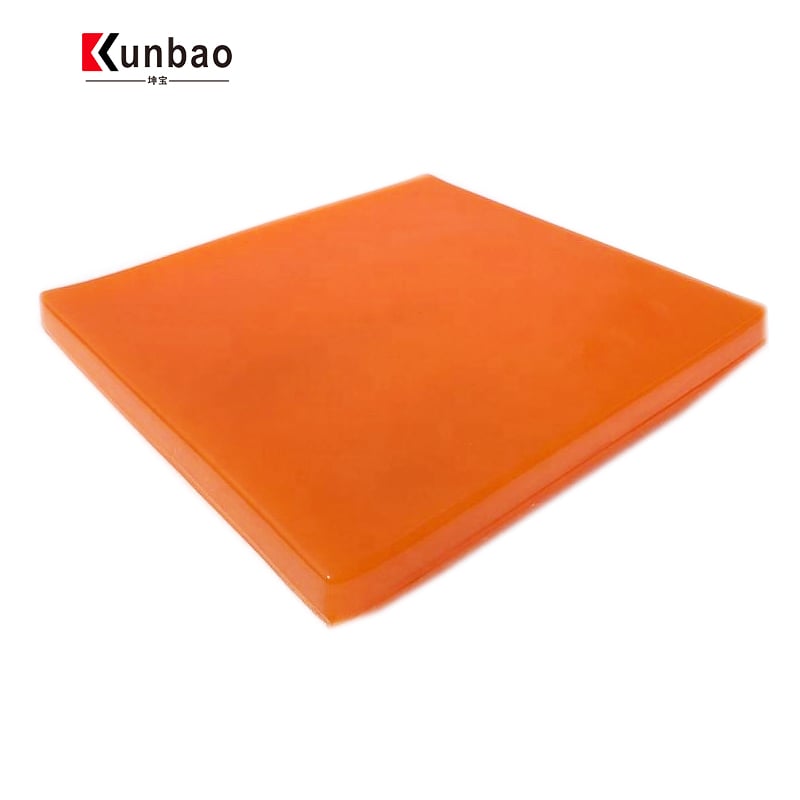
This is a common structure for selected PU gel sheet applications.
The release paper protects the gel's tacky backing surface during handling and storage.
During assembly, the manufacturer removes the release paper and uses the exposed gel surface according to the approved production process.
Suitable for:
Selected memory foam pillow manufacturing processes
Gel sheet positioning and assembly
Applications requiring a protected tacky gel surface
The suitability of the gel's inherent tackiness for permanent bonding should be verified for the intended substrate and production conditions.
For certain gel materials, including selected hydrogel structures, a release film may be used instead of release paper.
The film can provide a protective or separating layer during handling, depending on the product design.
Some hydrogel inserts are supplied with a film-backed structure intended to remain in place during use.
Suitable for:
Selected hydrogel pillow inserts
Customized cooling gel assemblies
Applications requiring a specific film-backed structure
Important: A removable release film and a permanent protective film are not the same. Manufacturers should confirm whether the film must be removed or retained during final assembly.
Gel sheets can be laminated with suitable fabric materials.
The fabric backing can support integration into certain pillow covers and textile assembly processes.
Available options may include selected stretch fabrics, cooling fabrics and other compatible textile materials.
Suitable for:
Pillow cover manufacturers
Sewing factories
Cooling pillow cover production
Removable gel comfort layers
Fabric selection should consider flexibility, sewing compatibility, adhesion and the finished product's comfort requirements.
Gel sheets can also be combined with selected protective films, such as TPU, PVC or EVA, where material and process compatibility allow.
These films may serve different purposes depending on the gel formulation and product design.
Potential functions include:
Surface protection
Separation between materials
Improved handling
Customized composite construction
Moisture or oil management in selected structures
However, barrier performance, flexibility, adhesion and long-term stability vary by film type and thickness.
The appropriate film should be selected and tested according to the actual application.
For customers who want to simplify their final assembly process, Kunbao can develop gel inserts with customized backing materials and finished edges.
Depending on the product structure, suitable sealing or finishing methods can be evaluated.
These inserts can be designed for placement inside compatible pillow covers or dedicated compartments.
Suitable for:
Pillow brands
OEM pillow assemblers
Finished cooling pillow cover manufacturers
Customers requiring ready-to-assemble gel components
The following comparison can help pillow manufacturers identify a suitable starting point.
| Gel Insert Structure | Main Feature | Typical Manufacturing Application |
|---|---|---|
| Release-paper-backed PU gel | Protected tacky backing | Selected foam assembly processes |
| Film-backed gel | Protective or separating film structure | Selected hydrogel and custom inserts |
| Fabric-backed gel | Textile-compatible composite | Pillow covers and sewing applications |
| Protective-film-laminated gel | Customized surface or backing protection | Special composite constructions |
| Finished, edge-sealed gel insert | More complete component for assembly | Pillow cover insertion and OEM assembly |
These are general application guidelines. Final suitability depends on the gel formulation, backing material and manufacturing process.
In addition to backing materials, manufacturers can select different surface constructions.
Depending on the gel material and intended application, customization may include:
Smooth gel surfaces
Molded grid patterns
Segmented gel designs
Custom surface textures
Transparent or colored gel
Selected protective films
Compatible fabric laminations
A visible gel surface may help create a distinctive product appearance.
A fabric-covered structure may be preferred when manufacturers want the gel layer integrated into the pillow cover.
The final design should consider cooling contact, flexibility, cleaning requirements and manufacturing compatibility.
Kunbao supplies both PU gel and hydrogel options.
PU gel is suitable for a range of flexible cushioning applications.
Depending on the formulation, it can provide different levels of softness, elasticity and surface tackiness.
It is commonly considered for gel-foam composite structures and customized pillow inserts.
Hydrogel contains water and may provide a stronger initial cooling sensation than certain conventional PU gel formulations.
It can be considered for selected cooling pillow applications where initial cooling performance is a key product feature.
However, hydrogel structures require careful evaluation of:
Moisture retention
Surface protection
Temperature resistance
Packaging conditions
Long-term material stability
Film and edge-sealing compatibility
Kunbao can help customers compare available gel materials according to the intended pillow design.
The selected material should be validated through samples and relevant testing before mass production.
Different manufacturers have different production capabilities.
Memory foam factories may require gel sheets for surface lamination, compatible foam molding or insertion into pillow covers.
The main considerations are gel flexibility, foam compatibility, thickness and bonding performance.
Latex pillow manufacturers may use selected gel sheets as surface comfort layers or incorporate gel into suitable pillow cover structures.
Adhesion, flexibility and material compatibility should be verified for the actual latex substrate.
Factories producing fiber-filled, down, buckwheat or other conventional pillows may prefer gel inserts incorporated into removable covers or dedicated compartments.
Fabric-backed or finished gel inserts may be more practical than direct bonding to loose filling materials.
Sewing and textile manufacturers may prefer fabric-backed gel sheets or finished inserts that can be incorporated into customized pillow covers.
The final construction should be evaluated for sewing durability, flexibility and user comfort.
To help your supplier recommend a suitable material and provide an accurate quotation, prepare the following information.
1. Pillow Type
Memory foam, latex, fiber-filled or another construction.
2. Gel Size and Shape
Length, width, outline drawing or reference sample.
3. Gel Thickness
Required thickness or a range for sample evaluation.
4. Gel Hardness
Preferred softness or a reference sample.
5. Material Preference
PU gel, hydrogel or supplier recommendation.
6. Surface and Backing Structure
Release paper, protective film, fabric backing or finished insert.
7. Manufacturing Method
Foam molding, surface lamination, sewing or direct assembly.
8. Estimated Order Quantity
Sample requirements and expected production volume.
9. Target Market and Testing Requirements
Applicable material documentation, chemical requirements and any specific performance testing needs.
Providing these details helps reduce unnecessary sample revisions and improves communication during development.
Kunbao has specialized in gel material manufacturing since 2011.
We provide semi-finished gel sheets, custom gel inserts and composite material solutions for pillow manufacturers and other OEM customers.
Our capabilities include:
Over 15 years of gel manufacturing experience
More than ten gel formulations
Different raw material grades
More than 400 existing molds
Custom gel sizes and shapes
Custom gel hardness and thickness
PU gel and hydrogel options
Fabric-backed and film-laminated gel materials
Customized surface and backing structures
Gel + foam composite development
Free mold development for eligible projects
OEM and ODM manufacturing support
Sample development and mass production
Rather than offering only standard gel sheets, we help customers select suitable material structures based on their manufacturing processes and product requirements.
Yes. Kunbao can manufacture gel sheets and inserts according to customer dimensions, drawings or approved samples.
Yes. We offer different gel formulations and can develop suitable hardness and thickness options according to project requirements.
Release paper and release film are different protective or separating materials. Their intended function depends on the gel structure. Customers should confirm whether the backing is removed or retained during assembly.
Yes. Fabric-backed gel sheets are available for selected pillow cover and composite applications.
Yes. Custom finished-edge and sealed-edge structures can be developed where the selected materials and manufacturing processes are compatible.
Yes. We can recommend suitable options based on your pillow design, cooling requirements, production method and target cost.
Every pillow design is different, and the right gel insert should be developed around the manufacturer's actual production requirements.
Whether you need a standard rectangular gel sheet, a contoured gel insert, fabric-backed gel or a finished component for direct assembly, Kunbao can help you evaluate suitable material solutions.
Developing a new cooling pillow or upgrading an existing product?
Send us your pillow drawing, required gel dimensions, preferred thickness, softness and backing structure.
Our team can help you select suitable gel formulations and develop samples for your project.
REQUEST CUSTOM GEL SAMPLES | DISCUSS YOUR OEM PROJECT
Kunbao — Custom Gel Materials & Solutions Manufacturer Since 2011
Website: www.kbcoolgel.com
 Hot News
2026-08-20
2026-09-08
2026-10-06
2026-09-09
2026-10-11
2026-10-05


 EN