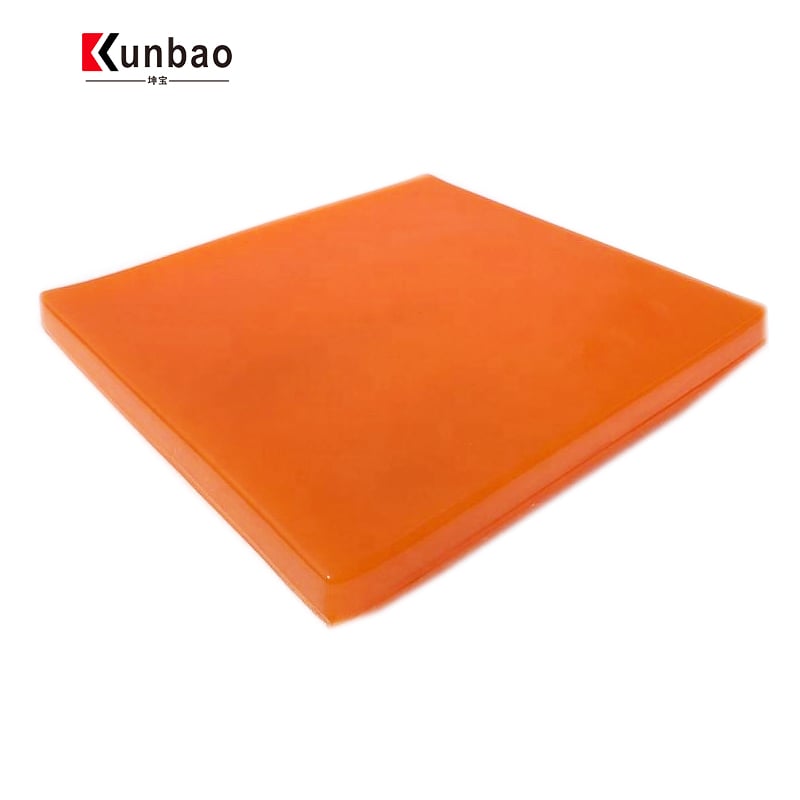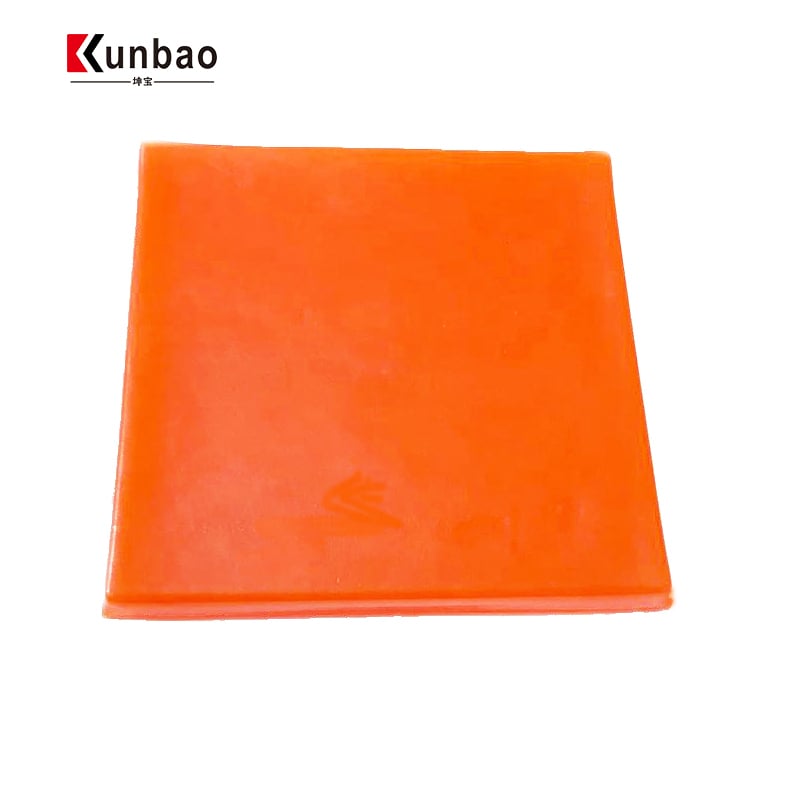
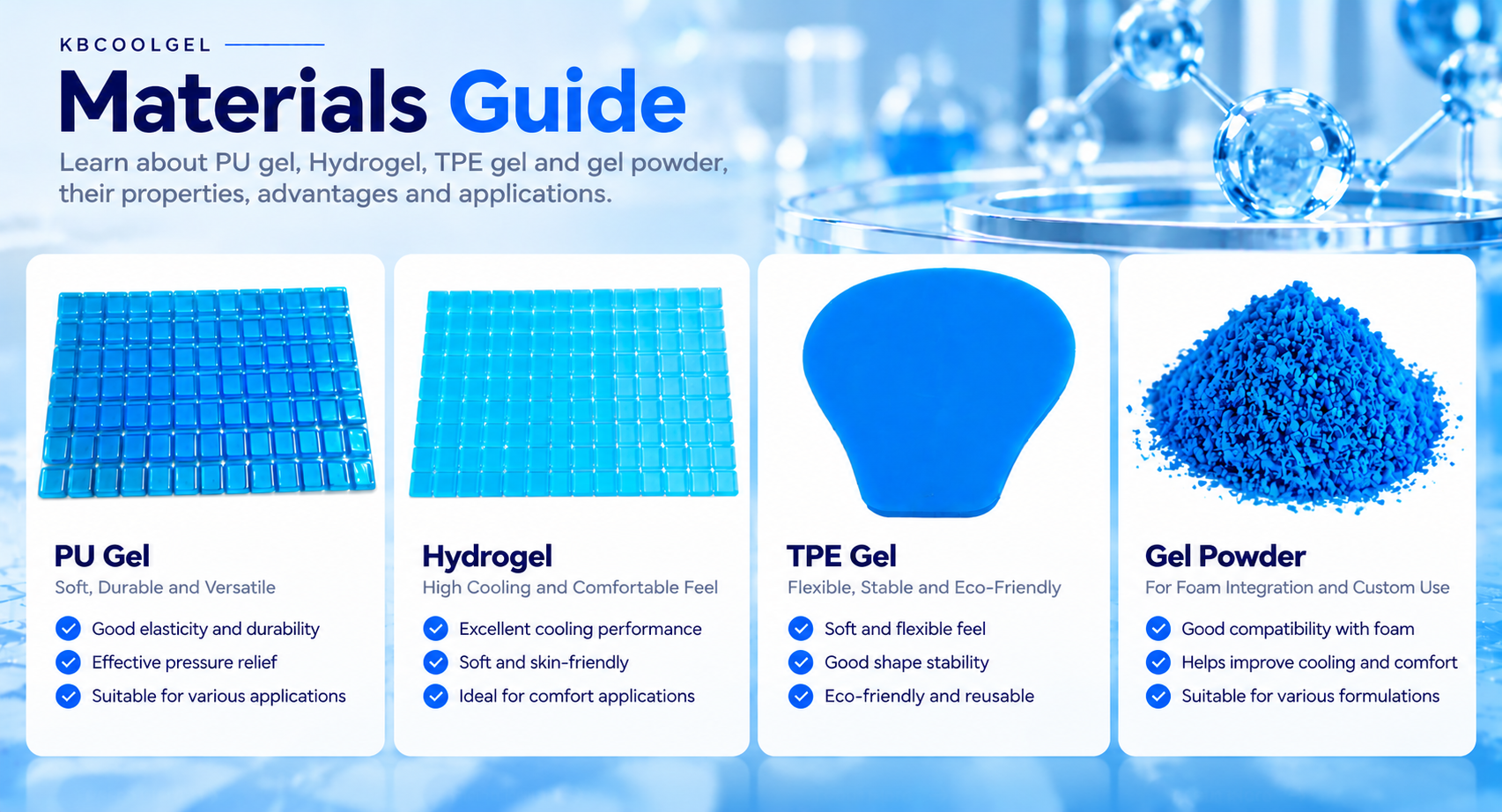
PU gel and hydrogel may look almost identical, but their cooling performance, composition, weight, temperature behavior and manufacturing requirements can be very different.
For pillow manufacturers, mattress factories and OEM product developers, understanding these differences is essential when selecting gel materials for new products.
At KBCoolGel (Jiangmen Kunbao New Materials Co., Ltd.), we have worked with polyurethane-based gel materials since 2011 and introduced a new-generation hydrogel formulation in 2024.
Both materials can be customized into gel sheets, inserts and molded components. However, each offers different advantages depending on the application.
In this guide, we compare PU gel and hydrogel to help manufacturers select a suitable material for their products.
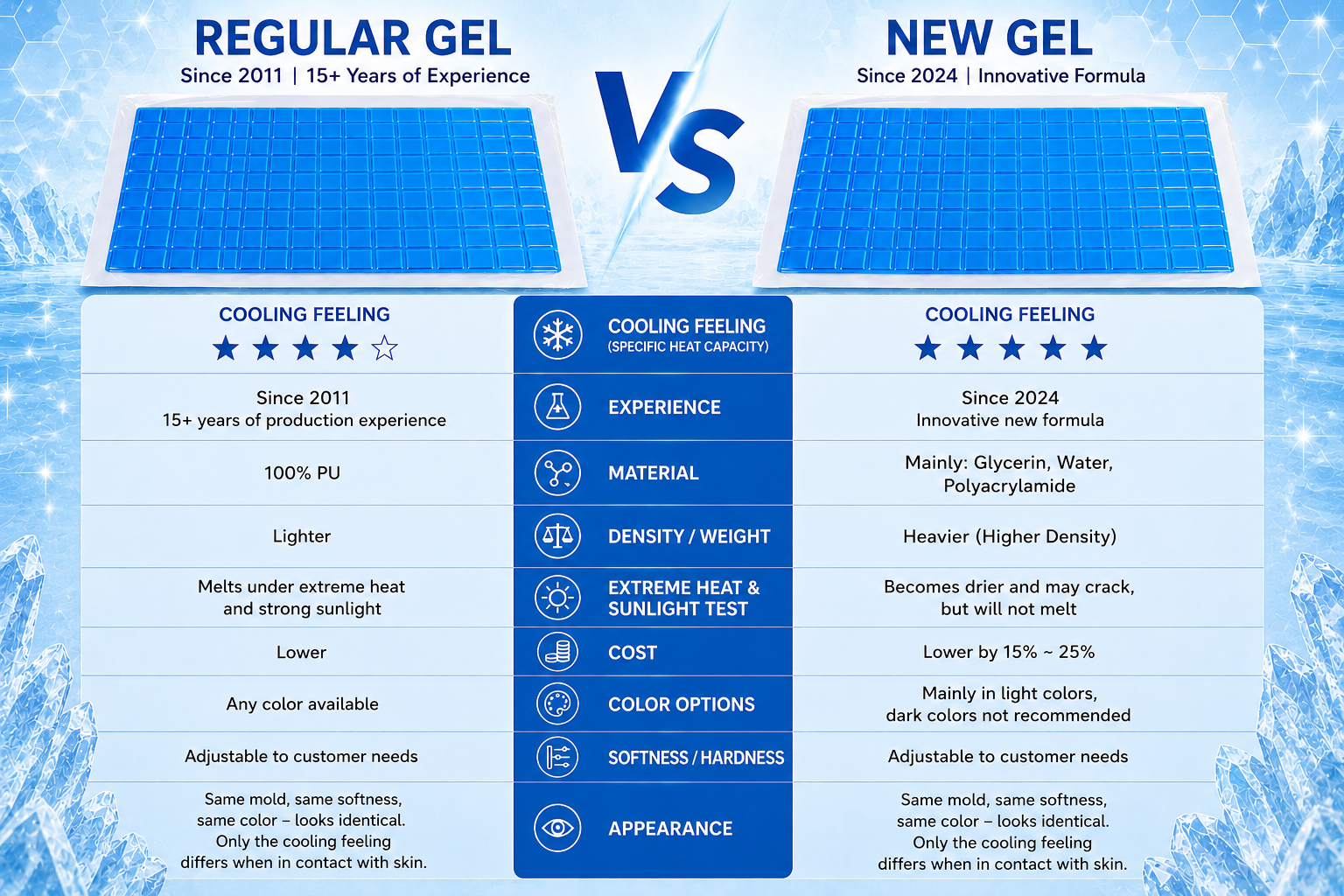
PU gel, also known as polyurethane gel, is a flexible polymer-based material commonly used in cushioning, comfort and pressure-distribution applications.
Its softness, hardness, thickness, shape and surface structure can be adjusted according to different product requirements.
PU gel has been used in a wide range of products, including:
Memory foam pillow gel inserts
Motorcycle seat gel pads
Seat cushions
Mattress comfort components
Medical positioning and support pads
Custom molded gel products
Established manufacturing technology
PU gel is a mature material option with well-developed molding and customization processes.
Adjustable softness and hardness
Different formulations can be developed to meet specific cushioning and comfort requirements.
Flexible product design
PU gel can be molded into various shapes, patterns and thicknesses.
Foam integration
Selected PU gel structures can be integrated into polyurethane foam products, making them suitable for memory foam pillow manufacturing and other composite applications.
Wide color options
PU gel can be produced in different colors, depending on the formulation and customer requirements.
For manufacturers prioritizing cushioning, flexibility and compatibility with existing foam production processes, PU gel remains an important material choice
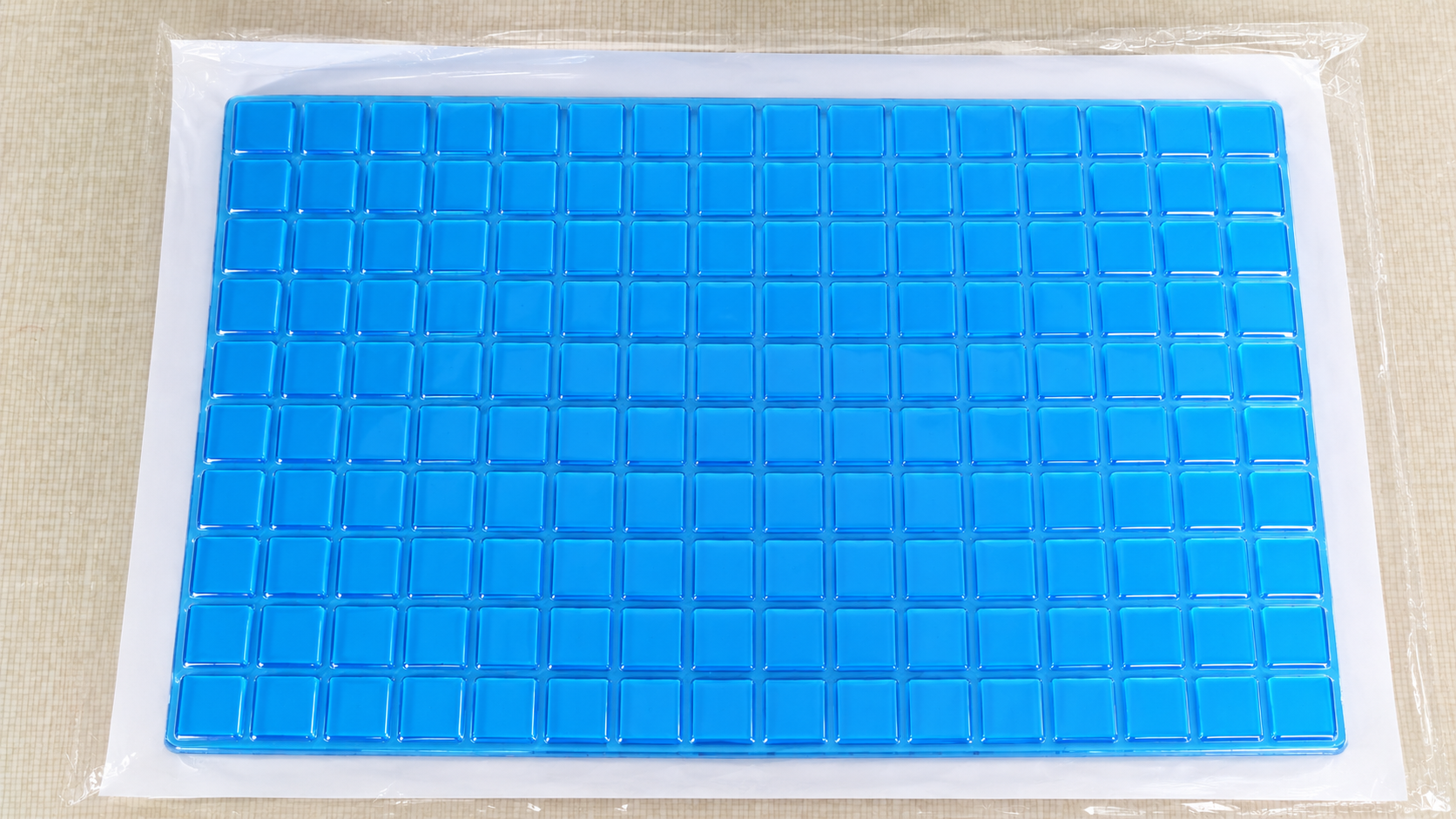
Hydrogel is a water-containing polymer network designed to provide flexibility and distinctive thermal properties.
Unlike conventional PU gel, hydrogel contains a significant amount of water within its polymer structure.
This water content can contribute to a stronger initial cooling sensation when the material comes into contact with the skin or another warmer surface.
In 2024, KBCoolGel introduced a new-generation hydrogel formulation developed for cooling and comfort applications.
Our hydrogel system is based primarily on water, glycerin, polyacrylamide and other formulation components.
Stronger initial cooling sensation
Our hydrogel formulation is designed to provide a more noticeable initial cool-touch feeling than our conventional PU gel formulation.
Thin gel structures
Selected hydrogel products can be manufactured as thin molded sheets for bedding and other applications.
Flexible and customizable
Hydrogel softness, dimensions, shapes and surface patterns can be adjusted within the limits of the formulation and manufacturing process.
Competitive material cost
In selected formulations and comparable product specifications, our hydrogel material cost can be approximately 15–25% lower than our conventional PU gel material cost.
Actual finished-product pricing depends on dimensions, thickness, weight, covering materials, sealing and order quantity.
Suitable for new product development
Hydrogel offers manufacturers an alternative material for cooling-focused bedding products and customized comfort components.
However, because hydrogel contains water, moisture retention, surface protection, temperature exposure and long-term stability must be considered during product development.
The following comparison is based primarily on KBCoolGel's conventional PU gel and new-generation hydrogel formulations. It should not be interpreted as a universal comparison of all PU gels and hydrogels.
| Feature | Conventional PU Gel | New-Generation Hydrogel |
|---|---|---|
| Material | Polyurethane-based formulation | Water-containing polymer formulation |
| Initial cooling sensation | Noticeable, depending on formulation | Stronger in our comparative product evaluation |
| Material technology | Established since 2011 in our product range | Introduced in 2024 |
| Density and weight | Generally lighter in our comparable designs | Generally heavier in our comparable designs |
| High-temperature behavior | May soften or deform under excessive heat | May lose moisture or become drier under prolonged exposure |
| Material cost | Conventional cost baseline | Approximately 15–25% lower in selected comparable formulations |
| Color options | Wide range of colors | Light colors generally preferred for our current formulation |
| Softness and hardness | Customizable | Customizable within formulation limits |
| Product appearance | Custom molded shapes and patterns | Similar molded shapes and patterns possible |
| Manufacturing considerations | Established molding and selected foam-integration processes | Moisture management, covering and sealing require attention |
Important: Performance and cost depend on formulation, product structure and test conditions. Representative samples should be evaluated before material selection or mass production.
Cooling performance is one of the biggest differences between our conventional PU gel and new-generation hydrogel.
PU gel can provide an initial cooling sensation, depending on its thermal properties, thickness and surface construction.
It is suitable for products where cushioning, comfort and pressure distribution are important.
However, its cooling sensation may be less noticeable than that of our new-generation hydrogel under comparable contact conditions.
Because our hydrogel contains water, it can absorb and transfer heat differently from conventional PU gel.
In our comparative product evaluations, the new-generation hydrogel provides a stronger initial cooling sensation.
This makes it an attractive option for cooling-focused pillows, mattresses and other comfort products.
Manufacturers should understand that a stronger initial cooling sensation does not necessarily mean continuous cooling throughout the night.
Cooling performance is affected by:
Gel formulation and water content
Material thickness
Surface fabric or film
Contact temperature and pressure
Ambient temperature
Duration of use
For manufacturers developing cooling bedding products, we recommend testing both initial cool-touch performance and temperature behavior over time.
For memory foam pillow manufacturers, both PU gel and hydrogel can be considered, but their manufacturing requirements differ.
PU gel is often a practical option for manufacturers using polyurethane foam molding processes.
Its advantages include:
Flexible cushioning
Adjustable hardness
Custom gel insert shapes
Established integration methods for selected foam formulations
Different surface patterns and color options
Hydrogel may be considered when stronger initial cooling is a major product requirement.
However, direct integration with PU foam requires careful attention to adhesion, moisture and process compatibility.
Depending on the design, additional fabric or protective layers may be necessary.
Our recommendation: For existing PU foam molding processes, conventional PU gel is often a practical starting point. For new cooling-focused pillow designs, hydrogel is worth evaluating through sample testing and suitable integration methods.
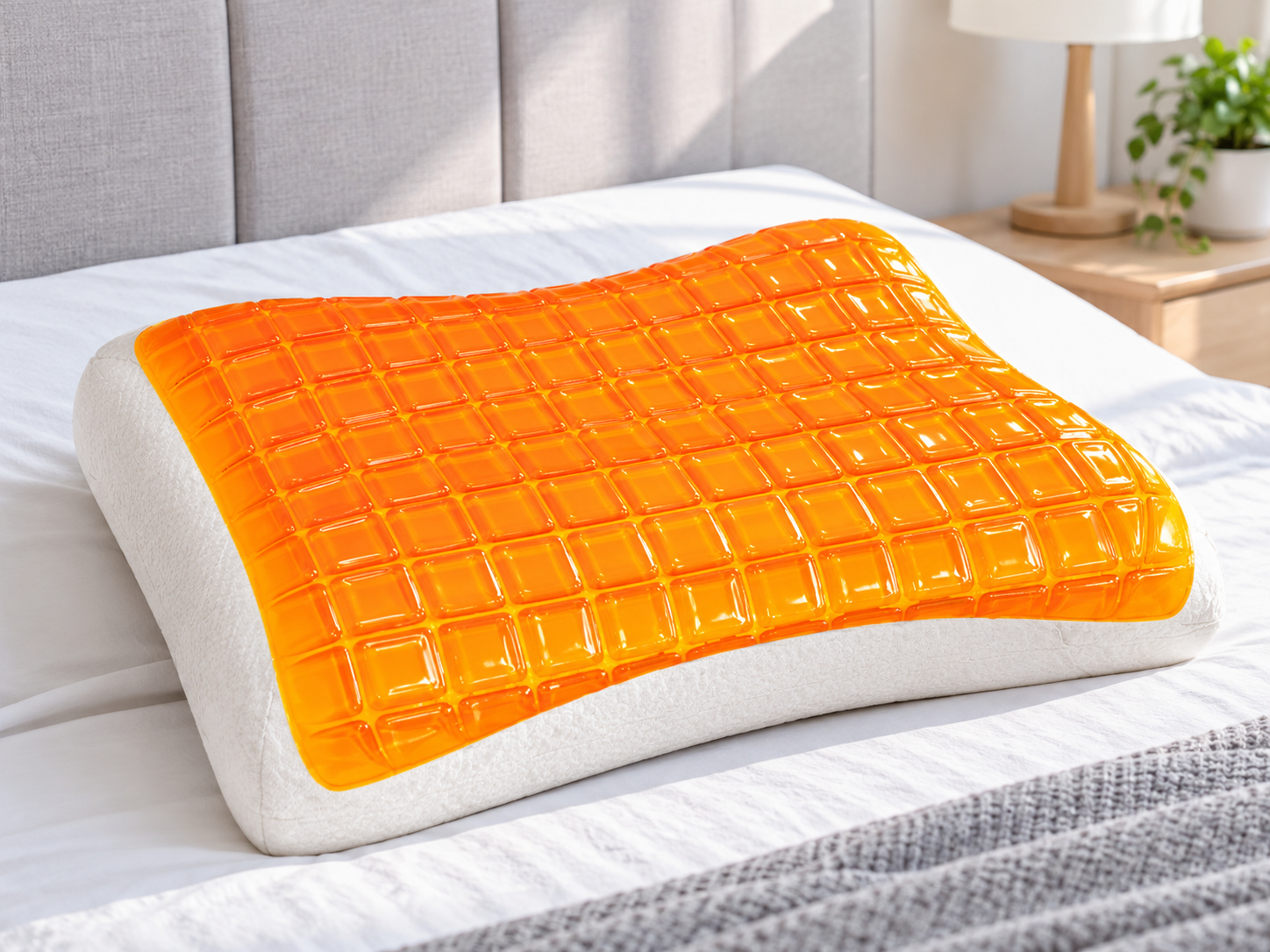
Mattress manufacturers can use gel materials in different ways, including surface cooling layers, localized comfort zones and internal mattress components.
PU gel may be suitable for:
Cushioning and pressure-distribution layers
Localized comfort zones
Foam-integrated mattress components
Custom support structures
Our new-generation hydrogel may be suitable for:
Thin cooling gel sheets
Cooling-focused mattress layers
Localized cooling zones
Custom gel structures with protective coverings
Selected mattress topper designs
The position of the gel inside a mattress is important.
When gel is positioned near the sleeping surface, its initial cooling properties may be more noticeable.
When gel is embedded deeper inside a mattress, surrounding foam and fabric layers can reduce the cooling sensation experienced by the sleeper.
In these cases, flexibility, pressure distribution, durability and structural compatibility may be more important.
Our recommendation: Choose the material according to the position and purpose of the gel layer, rather than selecting a material based on cooling sensation alone.
Temperature resistance is an important consideration for both PU gel and hydrogel, especially during transportation, storage and long-term use.
Depending on its formulation, PU gel may soften, deform or experience changes in its physical properties under excessive heat.
Its actual performance must be evaluated under defined temperature and exposure conditions.
Hydrogel behaves differently because it contains water and other formulation components.
Under prolonged high-temperature exposure, some hydrogel formulations may lose moisture, experience surface migration or become drier over time.
This does not mean that hydrogel is automatically more heat-resistant than PU gel.
For hydrogel products, suitable covering materials, sealing methods and packaging are important design considerations.
Manufacturers should consider testing:
High-temperature storage
Long-term moisture retention
Compression and deformation
Surface migration
Packaging compatibility
Accelerated aging
Both materials should be tested under conditions representative of their intended application.
One of the advantages of our new-generation hydrogel is its competitive material cost.
For selected formulations and comparable specifications, our hydrogel material cost can be approximately 15–25% lower than our conventional PU gel material cost.
However, this comparison refers to selected material formulations rather than every finished product.
Final product pricing may be affected by:
Gel thickness and weight
Custom dimensions
Mold development
Surface fabric or film
Edge sealing
Packaging requirements
Production quantity
For example, a hydrogel sheet requiring additional barrier films and sealing may have a different total manufacturing cost from a conventional PU gel sheet.
For OEM buyers, the best comparison is the total cost of a finished gel component that meets the required performance specifications.
Yes.
Depending on the mold and product design, PU gel and hydrogel can be produced with similar shapes, surface patterns and colors.
In some cases, two gel sheets may look almost identical, even though their compositions and thermal behavior are different.
This allows manufacturers to explore alternative materials without necessarily changing the visible appearance of their products.
However, using a similar mold does not guarantee identical processing conditions, dimensions or mechanical performance.
Sample evaluation is necessary before switching materials.
When selecting between PU gel and hydrogel, manufacturers should consider five important questions.
1. What is the main application?
Is the gel used in a pillow, mattress, motorcycle seat, medical positioning product or another application?
2. What is the primary function?
Do you need cooling, pressure distribution, shock absorption or general cushioning comfort?
3. How will the gel be integrated?
Will it be embedded in foam, laminated with fabric, enclosed in film or used as a separate insert?
4. What specifications are required?
Consider thickness, hardness, dimensions, weight, surface structure and color.
5. What are the storage and operating conditions?
Temperature, compression, moisture exposure and expected service life can affect material selection.
A suitable material should meet the complete product requirements, not just one performance target.
Our new-generation hydrogel provides a stronger initial cooling sensation than our conventional PU gel in comparative product evaluations. Actual results depend on formulation, thickness and use conditions.
No. Selected KBCoolGel hydrogel formulations may offer a material cost advantage, but the total finished-product cost depends on processing, sealing, covering materials and specifications.
Yes, but the integration method must be evaluated carefully. Direct foam molding may require suitable intermediate layers or additional processing considerations.
Yes. Because hydrogel contains water, moisture loss may occur depending on formulation, temperature, packaging and surface protection.
Similar product designs may be possible, but mold compatibility and processing requirements should be confirmed through sampling.
Yes. Both materials offer customization possibilities, subject to their formulation and manufacturing limitations.
Jiangmen Kunbao New Materials Co., Ltd. (KBCoolGel) specializes in gel materials and custom gel solutions for manufacturers and brands worldwide.
With experience dating back to 2011, we supply gel sheets, gel inserts, molded gel components and gel composite products for bedding, seating, medical positioning and other applications.
Our customization services include:
Custom size and shape
Custom hardness and thickness
Custom mold development
Gel and foam integration
Fabric and film lamination
OEM and ODM product development
Sampling and production support
Whether you are developing a cooling pillow, a mattress comfort layer or a custom gel insert, our team can help you evaluate suitable materials and product structures.
Tell us your application, required dimensions, thickness, hardness and performance expectations.
We can help you compare suitable gel solutions and prepare samples for evaluation.
Contact KBCoolGel for Custom Gel Solutions
Website: https://www.kbcoolgel.com/
Email: [email protected]
Request a Quote: https://www.kbcoolgel.com/request-quote/
 Hot News
2026-08-20
2026-09-08
2026-10-06
2026-09-09
2026-10-11
2026-10-05


 EN