A Step-by-Step Manufacturing Guide for Memory Foam, Latex and OEM Pillow Factories
Cooling gel pillows are manufactured by combining suitable gel materials with memory foam, latex, pillow covers, or other cushioning structures.
Unlike conventional pillows, cooling gel pillows include a gel component designed to provide a cool-touch sensation, additional cushioning, or both.
But how are cooling gel pillows actually manufactured?
Do pillow factories need specialized gel production equipment? Can cooling gel sheets be added to existing memory foam pillows? And what is the difference between embedding gel into foam and sewing gel inserts into pillow covers?
The answer depends on the pillow design, gel material, and manufacturing process.
At Kunbao, we manufacture customizable PU gel sheets, hydrogel sheets, fabric-backed gel materials, and finished gel inserts for pillow manufacturers.
Since 2011, we have helped OEM customers develop gel material solutions for different cooling and comfort applications.
In this guide, we explain the main manufacturing methods, production steps, and material selection considerations for cooling gel pillows.
Before production begins, manufacturers need to select the appropriate pillow core, gel material, and assembly structure.
Common pillow core materials include:
Memory foam
Latex foam
Conventional polyurethane foam
Polyester fiber filling
Down or feather filling
Other customized pillow materials
Memory foam is commonly used in gel pillow manufacturing because its molded or cut foam structure can be combined with selected gel sheets.
However, cooling gel materials can also be incorporated into other pillow constructions.
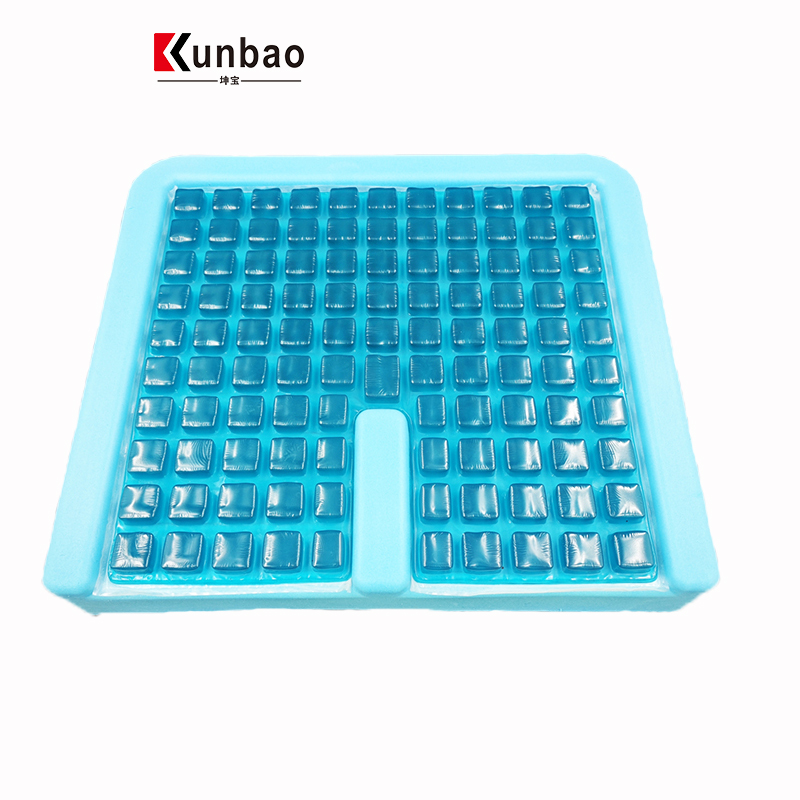
Two gel material options are PU gel and hydrogel.
PU Gel
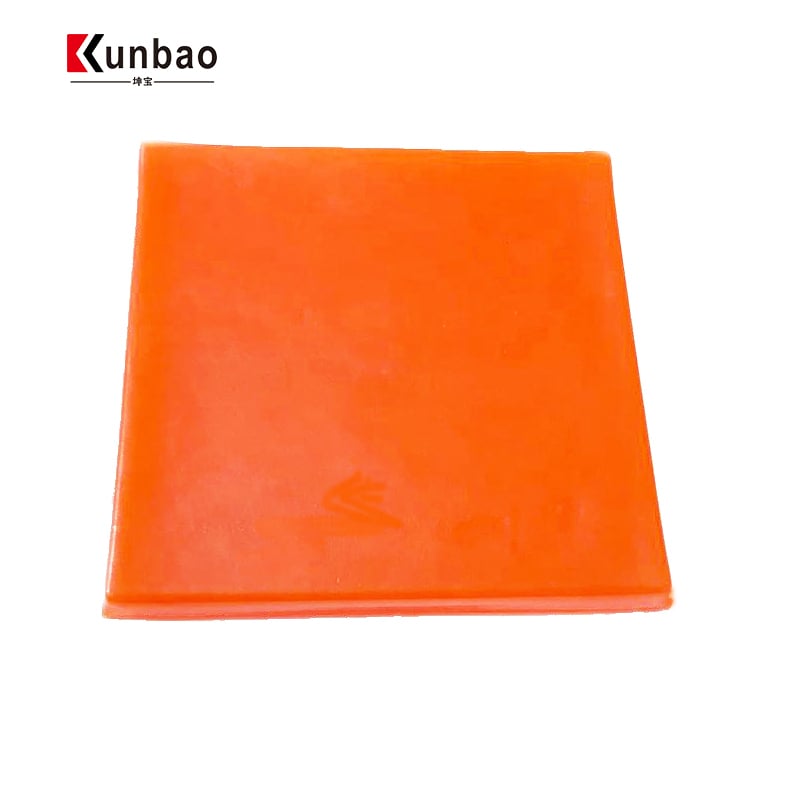
PU gel is a flexible cushioning material that can be formulated with different hardness, elasticity, and thickness characteristics.
Depending on the formulation, it can be used in suitable foam molding, surface bonding, and composite applications.
Hydrogel
Hydrogel is a water-containing polymer material that may provide a stronger initial cooling sensation than certain conventional PU gel formulations.
Hydrogel requires additional consideration of protective films, moisture retention, temperature stability, and edge finishing.
Depending on the manufacturing method, additional materials may include:
Release paper
Protective films
Fabric backing
Compatible adhesives
Pillow cover fabrics
Zippers or insert compartments
Edge-finishing materials
The complete material structure should be confirmed before mass production.
Although different factories use different methods, a typical cooling gel pillow project follows six main stages.
The manufacturer first confirms the finished pillow's design requirements.
These may include:
Pillow dimensions
Pillow height and shape
Foam type and firmness
Target cooling sensation
Required cushioning characteristics
Gel coverage area
Target production cost
The pillow design determines the type and size of gel component required.
The manufacturer chooses a suitable gel formulation based on the intended application.
Important factors include:
PU gel or hydrogel
Gel softness and elasticity
Thickness
Surface pattern
Cooling characteristics
Backing materials
Compatibility with the production process
Different pillow designs may require different gel formulations.
For example, a flexible gel sheet for surface bonding may require different characteristics from a finished gel insert designed for placement inside a pillow cover.
After the gel specifications are confirmed, the gel component is manufactured according to the approved design.
Depending on the product, this may involve:
Selecting a suitable mold
Preparing the gel formulation
Forming the gel sheet
Applying compatible backing materials
Laminating fabric or protective film
Finishing the edges where required
Inspecting dimensions and appearance
The exact production process depends on the gel chemistry and manufacturing equipment.
This is the most important stage.
Manufacturers can integrate cooling gel using different methods, including foam molding, surface bonding, fabric-backed assembly, and removable inserts.
We explain these methods below.
After the gel component is integrated, the manufacturer completes the remaining assembly.
This may include:
Installing the pillow cover
Sewing or closing cover panels
Adding zippers or internal compartments
Checking gel positioning
Inspecting the finished appearance
Before shipment, manufacturers should check the finished pillow against the approved sample and specifications.
Inspection may include:
Finished dimensions
Gel positioning
Surface appearance
Bonding or assembly integrity
Cover fit
Material condition
Packaging suitability
Additional testing should be carried out according to the intended market and product requirements.
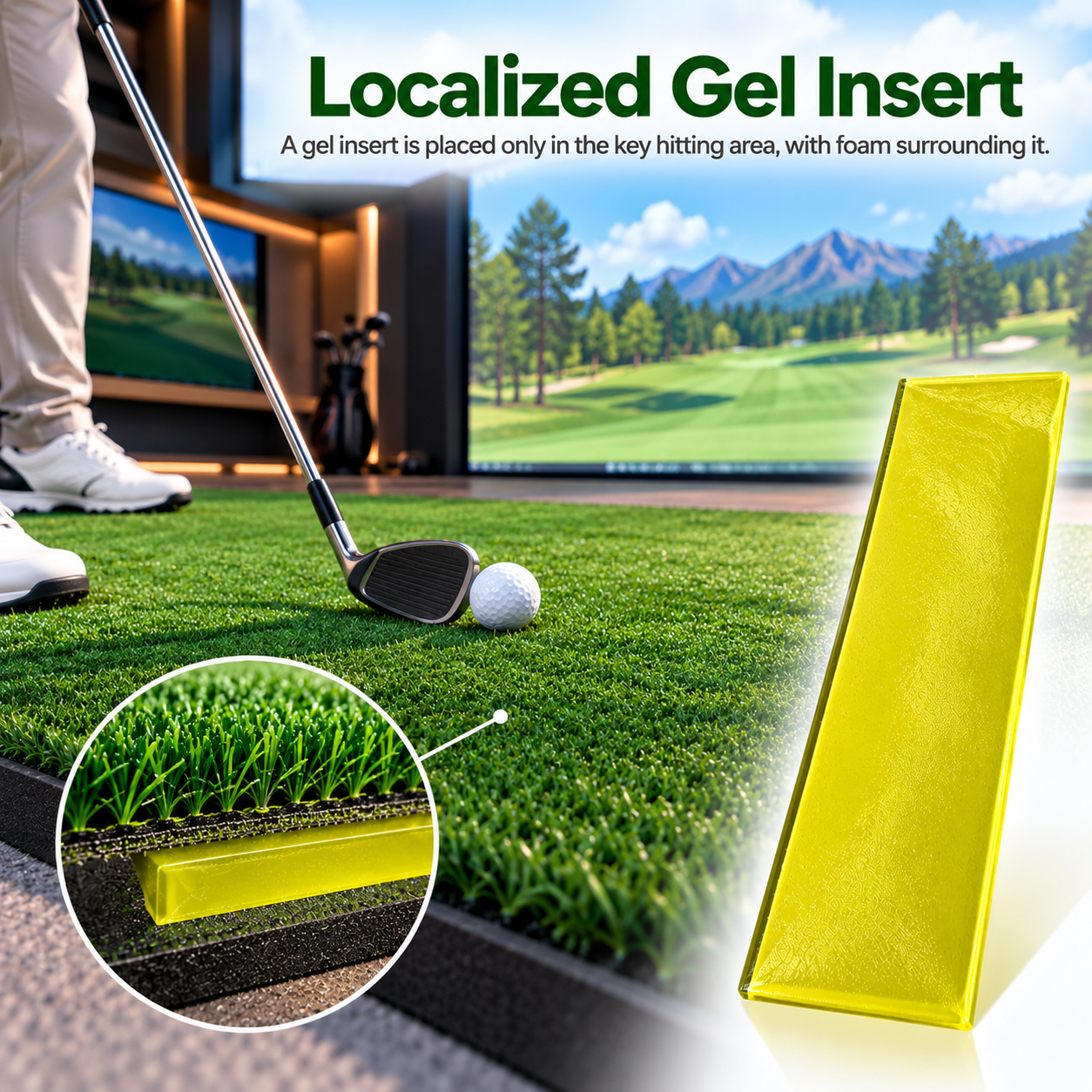
One manufacturing method involves placing a suitable gel insert inside the foam mold before the foam is produced.
Prepare the foam mold.
Position the approved gel insert in the designated area.
Introduce the compatible foam formulation.
Allow the foam to react and cure according to the validated production process.
Remove the molded pillow.
Inspect the gel integration and finished surface.
Gel can be incorporated during foam manufacturing.
The finished structure can be developed as an integrated product.
Suitable for selected custom molded pillow designs.
May reduce the need for a separate post-molding bonding step.
Not every gel formulation is compatible with foam molding.
Manufacturers should evaluate the gel's temperature resistance, chemical compatibility, surface properties, positioning, and adhesion under actual molding conditions.
Suitable for: Memory foam manufacturers with compatible molding equipment.
This is another practical approach for manufacturers that already produce finished memory foam pillow cores.
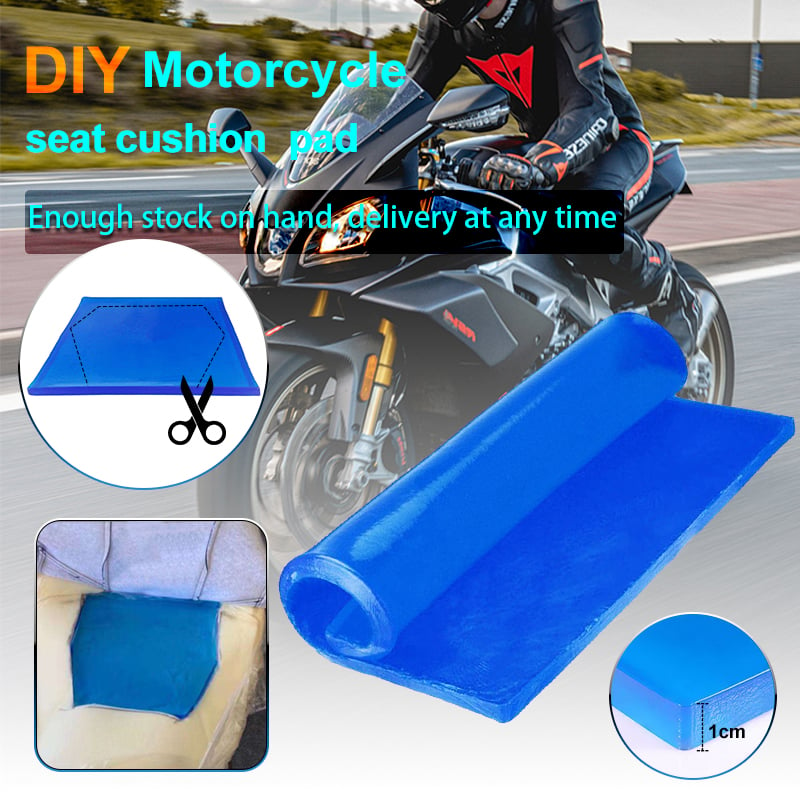
Instead of placing gel inside the mold, the manufacturer attaches a gel sheet to the foam surface after molding.
Prepare the finished memory foam pillow.
Select a gel sheet with suitable size, flexibility, and thickness.
Prepare the foam and gel surfaces.
Apply a compatible bonding method.
Position the gel sheet on the pillow surface.
Allow the assembly to stabilize or cure as required.
Inspect adhesion, appearance, and comfort.
Depending on the gel structure, manufacturers may use compatible water-based polyurethane adhesives or other validated bonding systems.
Can be used with existing foam pillow designs.
Does not necessarily require modification of the foam mold.
Supports different gel sizes and surface patterns.
Suitable for developing multiple pillow models.
Adhesive compatibility and long-term bonding performance must be verified.
The gel sheet should also conform to the pillow surface without excessive wrinkling, stretching, or edge lifting.
Suitable for: Memory foam pillow factories seeking a post-molding gel integration method.
Not every pillow factory manufactures its own foam.
Some companies specialize in pillow covers, textile processing, and sewing.
For these manufacturers, fabric-backed gel sheets can provide a practical way to develop cooling pillow products.
Select a cooling gel sheet with suitable fabric backing.
Confirm the gel size and backing fabric.
Prepare the pillow cover panels.
Position the gel composite in the designated area.
Attach the composite using an approved sewing or assembly method.
Complete the pillow cover.
Inspect the finished cover and gel positioning.
Suitable for textile and sewing factories.
Can be integrated into selected existing pillow cover production processes.
Does not require gel manufacturing equipment.
Can be adapted for different pillow core materials.
The gel sheet must be designed for the intended attachment method.
Stitching directly through the functional gel layer may damage certain gel structures.
Where appropriate, sewing should be performed through designated fabric margins or reinforced attachment areas.
Suitable for: Pillow cover manufacturers, sewing factories, and selected OEM pillow assemblers.
For factories that prefer a simpler assembly method, finished gel inserts can be placed inside a specially designed pillow cover.
This method does not require the manufacturer to bond the gel directly to foam.
Order a finished gel insert in the required dimensions.
Manufacture a pillow cover with a dedicated compartment.
Position the gel insert inside the compartment.
Secure or close the compartment according to the cover design.
Assemble the finished pillow.
Inspect fit, stability, and comfort.
Relatively straightforward assembly.
Can be used with different pillow core materials.
Reduces the need for direct gel-to-foam bonding.
Supports removable or replaceable insert designs where appropriate.
The compartment should be designed to minimize unwanted gel movement, folding, or bunching.
Protective films and edge structures should be compatible with the intended use.
Suitable for: Pillow brands, traditional pillow manufacturers, and OEM assemblers.
Some cooling pillows are produced by incorporating gel additives directly into the foam formulation.
This differs from using a separate gel sheet.
Select a suitable gel additive or gel-infused foam material.
Develop and validate the foam formulation.
Incorporate the additive using the approved mixing process.
Produce the foam through the selected manufacturing method.
Allow the foam to cure.
Cut or mold the finished pillow.
Inspect the finished foam properties.
Gel material is distributed within the foam.
No separate gel sheet may be required.
Can support different foam product designs.
Gel additives can affect foam processing and physical properties.
Manufacturers should evaluate compatibility, foam cell structure, density, firmness, recovery behavior, and thermal performance.
Suitable for: Foam manufacturers with suitable formulation development and production capabilities.
| Manufacturing Method | Main Process | Suitable Manufacturers |
|---|---|---|
| Gel integrated during molding | Gel placed inside a compatible foam mold | Memory foam molding factories |
| Gel bonded to foam | Gel sheet attached after foam production | Memory foam pillow factories |
| Fabric-backed gel in pillow covers | Gel composite attached through textile assembly | Sewing and pillow cover factories |
| Finished gel insert in pillow cover | Gel component inserted into a dedicated compartment | Pillow brands and OEM assemblers |
| Gel-infused foam | Gel additive incorporated into foam formulation | Foam manufacturers |
The most suitable method depends on the manufacturer's existing equipment, pillow design, production cost, and required performance.
Different pillow manufacturers have different production capabilities.
Memory foam factories may use:
Compatible in-mold gel integration
Surface-bonded gel sheets
Fabric-backed gel pillow covers
Finished gel inserts
These options allow manufacturers to choose between modifying the foam production process and adding gel during final assembly.
Latex pillow factories may consider:
Compatible surface gel components
Fabric-backed gel sheets
Finished gel inserts incorporated into pillow covers
Direct bonding to latex requires appropriate compatibility testing.
Factories producing fiber-filled, down, buckwheat, or other conventional pillows may prefer:
Fabric-backed gel components
Removable cooling gel inserts
Customized cooling pillow covers
These approaches can allow manufacturers to add a gel component without changing the original pillow filling.
Sewing factories may focus on fabric-backed gel sheets or finished inserts designed for textile assembly.
This creates opportunities to develop cooling pillow covers for different pillow brands.
Gel thickness and hardness influence the finished pillow's feel, flexibility, weight, and cost.
A thin gel layer may be selected when manufacturers want a relatively low-profile cooling surface.
A thicker gel layer may provide more noticeable cushioning but also increases material consumption and product weight.
Likewise, softer gel may provide a more flexible contact feel, while firmer gel formulations may be suitable for other product structures.
There is no universal best specification.
Manufacturers should evaluate gel samples together with the actual foam and cover materials.
For more details, see our guide: How to Choose Gel Hardness and Thickness for Memory Foam Pillows.
Quality control should cover both the gel component and the finished pillow.
Check:
Gel appearance
Dimensions and thickness
Hardness or other agreed material properties
Surface condition
Backing or lamination quality
Edge finishing where applicable
Check:
Gel positioning
Bonding or attachment quality
Wrinkles and edge lifting
Pillow cover fit
Surface comfort
Component stability
Depending on the project, manufacturers may require:
Cooling performance evaluation
Durability testing
Adhesion testing
Material chemical compliance
VOC testing
Compression-related testing
The test methods and acceptance criteria should be agreed upon before mass production.
Material test reports should not be presented as certification of the entire finished pillow unless the finished product itself has been evaluated.
No.
Pillow factories can purchase ready-made or customized gel components from a specialized gel material supplier.
For example, a memory foam factory may purchase gel sheets for surface bonding, while a sewing factory may purchase fabric-backed gel sheets or finished gel inserts.
This allows manufacturers to focus on their existing production capabilities while outsourcing gel material development and manufacturing.
At Kunbao, we supply semi-finished gel materials and customized components for different OEM pillow applications.
Kunbao is a custom gel material manufacturer with experience dating back to 2011.
We provide cooling gel materials for memory foam pillow factories, latex pillow manufacturers, traditional pillow producers, and pillow cover sewing factories.
Our capabilities include:
More than 15 years of gel manufacturing experience
More than ten gel formulations
Different raw material grades
PU gel and hydrogel options
Custom gel hardness and thickness
Custom size, shape, color, and surface patterns
More than 400 existing molds
Fabric-backed and film-laminated gel sheets
Gel and foam composite development
Customized finished gel inserts
Free mold development for eligible OEM projects
Sample development and mass production support
Instead of supplying only one standard gel formulation, we help customers select materials according to their pillow structures, manufacturing processes, and target markets.
Yes. Surface-bonded gel sheets or suitable pillow cover inserts may allow manufacturers to add gel without modifying the foam mold.
Yes, when the selected gel formulation and foam production process are compatible. The structure should be validated through sample testing.
Fabric-backed gel components can be integrated through suitable sewing or textile assembly methods. Direct stitching through the functional gel layer should not be assumed suitable without testing.
A gel sheet pillow uses a separate gel component, while gel-infused foam incorporates gel additives into the foam formulation.
Yes. Suitable gel inserts can be incorporated into specially designed pillow covers without changing the original filling material.
Yes. Kunbao supports custom gel sizes, shapes, thicknesses, hardness levels, colors, surface patterns, and selected backing structures.
Cooling gel pillows can be manufactured through several different processes.
The best method depends on the pillow structure, existing factory equipment, required cooling comfort, and production cost.
Whether you manufacture memory foam pillows, latex pillows, conventional pillows, or pillow covers, Kunbao can help you develop suitable gel components for your production process.
Looking for a cooling gel sheet supplier for your pillow factory?
Send us your pillow design, gel dimensions, preferred thickness, material requirements, and intended manufacturing method.
Our team can help you evaluate suitable gel formulations and develop samples for your project.
REQUEST CUSTOM GEL SAMPLES | DISCUSS YOUR OEM PILLOW PROJECT
Kunbao — Custom Gel Materials & Solutions Manufacturer Since 2011
Website: www.kbcoolgel.com
 Hot News
2026-08-20
2026-09-08
2026-10-06
2026-09-09
2026-10-11
2026-10-05


 EN