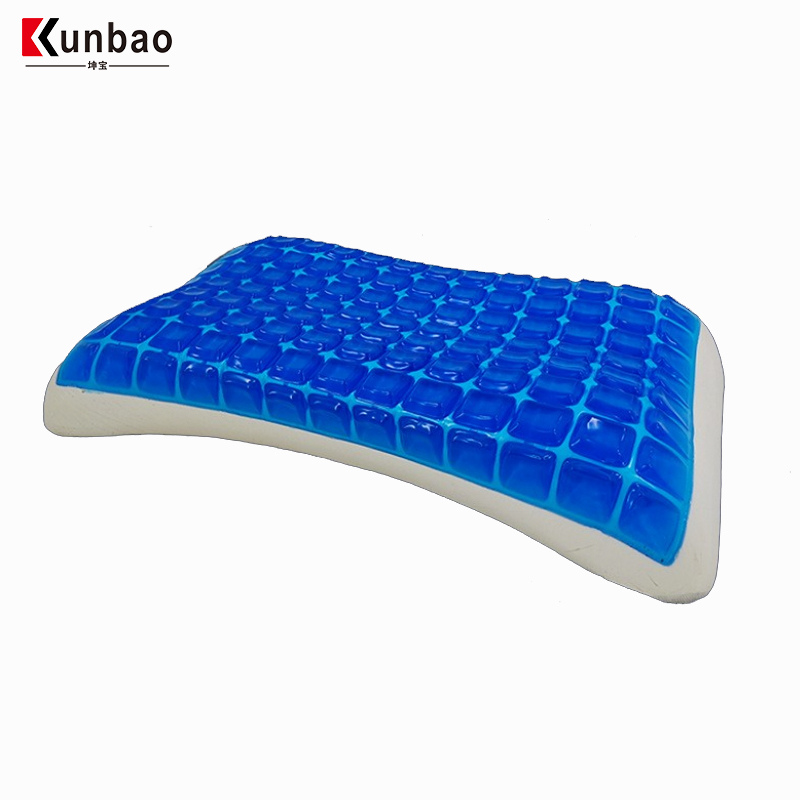

A Practical Guide to Packaging, Temperature Control, Moisture Protection and International Shipping for PU Gel and Hydrogel Sheets
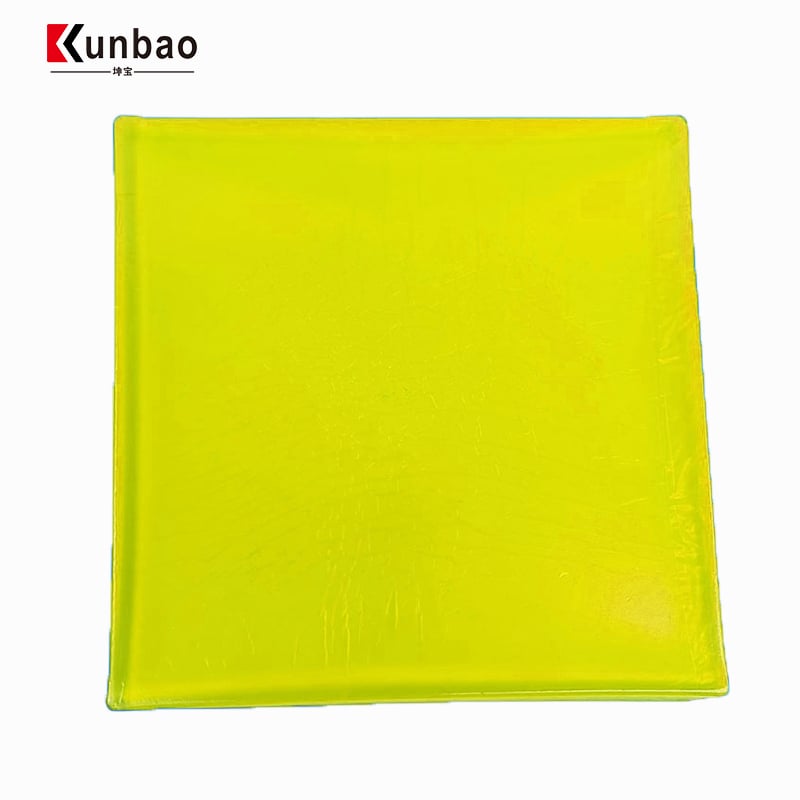
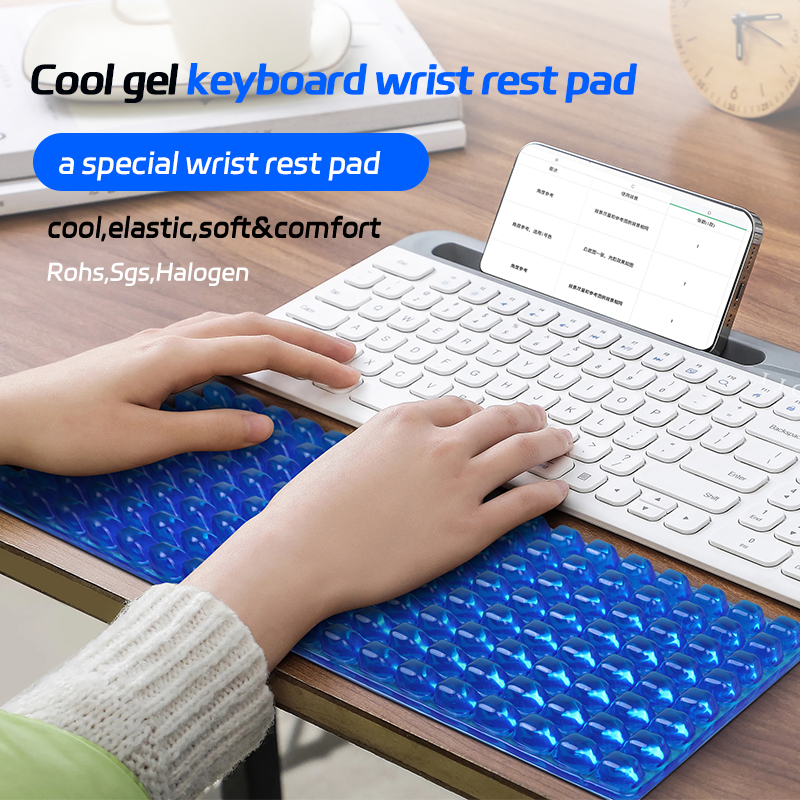
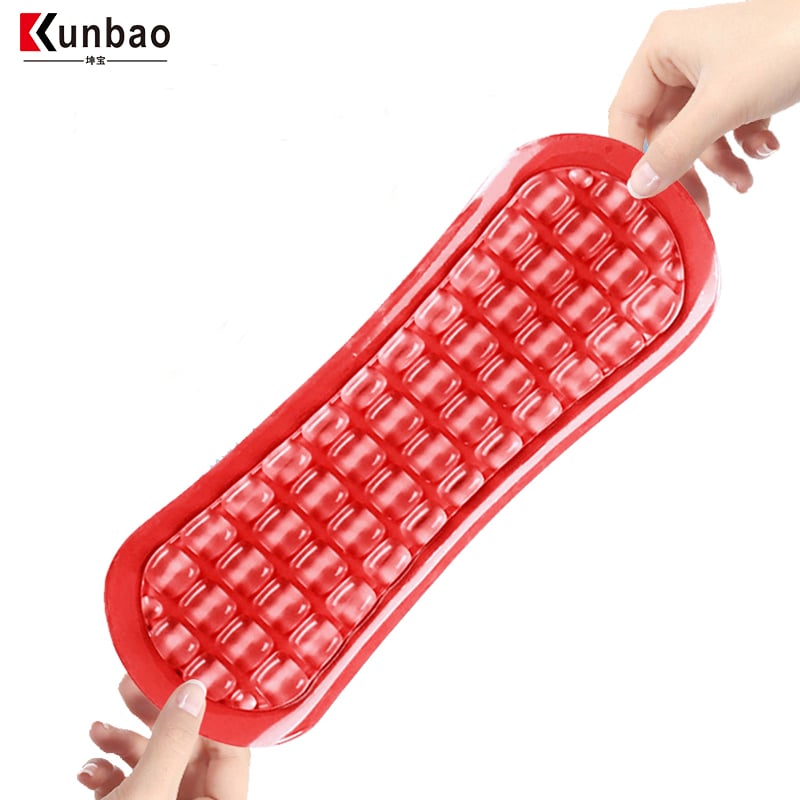
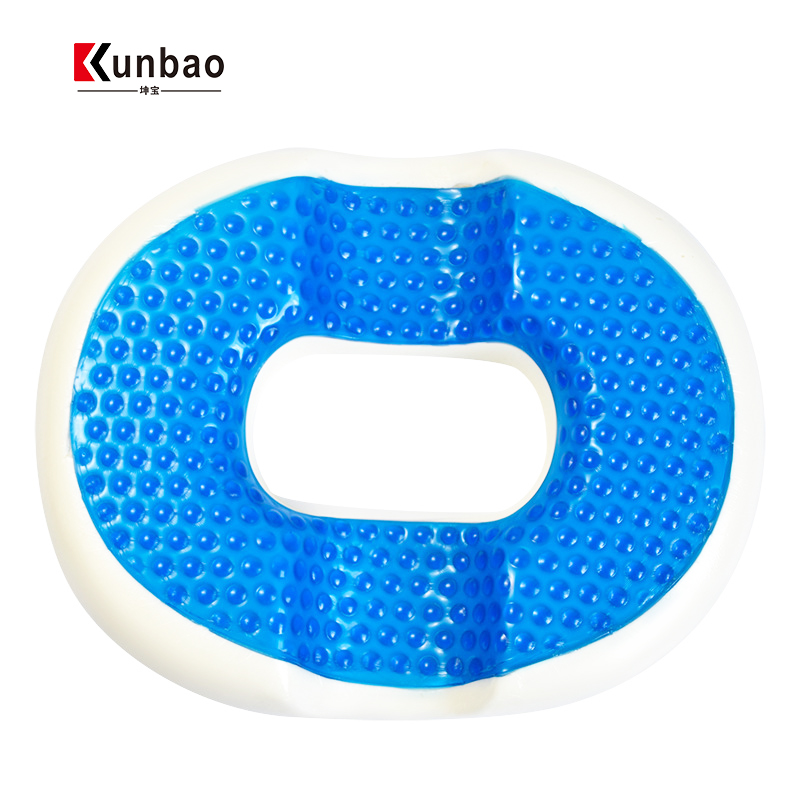
Cooling gel sheets are widely used in memory foam pillows, mattresses, motorcycle seat cushions, wheelchair cushions, medical positioning pads, and other comfort products.
For OEM manufacturers and international buyers, proper packaging and storage are important for maintaining material quality before production.
Unlike conventional rigid plastic sheets, many cooling gel materials are soft, flexible, and sensitive to handling conditions.
Improper storage or packaging may cause surface contamination, deformation, sticking, damage to protective films, or changes in material appearance.
Certain hydrogel formulations may also require additional protection against moisture loss and prolonged heat exposure.
So, how should cooling gel sheets be packaged, stored, and shipped?
At Kunbao, we manufacture customized PU gel sheets, hydrogel sheets, and gel composite materials for OEM applications.
In this guide, we explain practical packaging methods, storage precautions, transportation considerations, and how manufacturers can protect gel materials throughout the supply chain.
Cooling gel sheets are different from many conventional packaging materials because they are flexible and may have soft or tacky surfaces.
Their packaging requirements depend on the gel formulation, thickness, dimensions, backing structure, and intended application.
Suitable packaging helps protect gel sheets from:
Dust and surface contamination
Unwanted sticking between sheets
Excessive compression
Folding or permanent deformation
Sharp objects and punctures
Damage to protective films
Unnecessary moisture exposure
Prolonged high temperatures
Movement during transportation
For OEM manufacturers, packaging quality also affects production efficiency.
Gel sheets that arrive damaged, distorted, or contaminated may be difficult to bond to foam or integrate into finished products.
Good packaging should protect both the gel material and the customer's manufacturing process.
PU gel and hydrogel can have different storage and packaging requirements.
PU gel is a flexible polyurethane-based material used in cushioning and comfort applications.
Depending on the formulation, PU gel sheets may have:
Soft and flexible surfaces
Different hardness levels
Different degrees of surface tackiness
Custom thickness and dimensions
Release paper or other backing materials
Fabric or film lamination
PU gel packaging should focus on preventing unwanted adhesion, contamination, excessive compression, and deformation.
Hydrogel is a water-containing polymer material.
Depending on the formulation, hydrogel may require additional attention to:
Moisture retention
Protective film integrity
Edge sealing
Temperature exposure
Surface migration
Packaging compatibility
Long-term storage stability
Some hydrogel products use protective films or enclosed structures to help maintain their intended condition.
The correct packaging should be selected according to the actual hydrogel formulation and finished structure.
PU gel and hydrogel should not automatically be packaged using identical methods.
PU gel sheets can be supplied in different formats according to the customer's manufacturing process.
Some PU gel sheets are supplied with release paper on the bottom.
The release paper helps protect the designated surface during handling and storage.
Depending on the product design, customers remove the release paper before using the gel sheet.
This packaging format may be suitable for selected gel sheets used in foam bonding or other assembly processes.
For certain products, a compatible protective film may help prevent contamination or unwanted contact with other materials.
The film must be suitable for the actual gel formulation.
Flat stacking can be suitable for many gel sheets when appropriate separation and load protection are provided.
Important considerations include:
Keeping the sheets properly aligned
Preventing excessive pressure
Using suitable interleaving materials
Supporting large sheets
Avoiding unnecessary bending
The number of sheets per stack should be determined according to their size, thickness, weight, and resistance to deformation.
OEM buyers may request packaging adapted to their production process.
Examples include:
Individual packaging
Small-quantity packs
Layer-separated stacks
Carton packaging
Palletized bulk packaging
The appropriate method depends on the gel sheet specification and shipping requirements.
Hydrogel packaging may require additional precautions because some formulations are sensitive to moisture loss, heat, or changes in the protective structure.
A compatible protective film may help protect the hydrogel surface and reduce exposure to the surrounding environment.
However, film performance depends on the material, thickness, sealing structure, and storage conditions.
Not every film provides the same moisture-barrier performance.
For enclosed hydrogel structures, the edge seal is an important part of the finished component.
Damaged or incomplete seals may affect moisture retention and material stability.
Do not remove protective films or open sealed packaging earlier than necessary.
Extended exposure may affect certain hydrogel formulations.
Prolonged heat exposure may affect the stability of some hydrogel materials.
Depending on the formulation, changes may include surface tackiness, migration of components, or moisture-related changes.
Packaging materials should be checked for compatibility with the actual hydrogel and its protective film.
For formulations with potential surface migration, a suitable protective or absorbent interlayer may be considered after compatibility testing.
The correct hydrogel packaging structure should be validated before bulk production and international shipment.
Flat storage is generally a practical starting point for many cooling gel sheets, especially large or thick products.
However, some flexible gel materials may be suitable for rolling when the formulation, thickness, protective structure, and roll diameter have been validated.
Potential advantages include:
Reduced bending stress
Easier dimensional inspection
Better support for large sheets
Lower risk of fold marks
Convenient handling during assembly
Rolling may help reduce packaging volume for certain flexible products.
However, it can introduce risks such as:
Surface sticking
Creasing
Compression
Damage to protective films
Distortion of surface patterns
For hydrogel sheets with protective films or sealed edges, rolling should be evaluated carefully.
Do not roll gel sheets solely to reduce shipping costs without confirming material compatibility.
There is no single storage temperature range suitable for every cooling gel formulation.
The recommended conditions depend on the material composition, protective structure, and validated storage performance.
As a general precaution, cooling gel sheets should be stored in a clean, temperature-controlled environment away from excessive heat and direct sunlight.
Excessive heat may affect:
Gel surface properties
Protective films
Adhesive layers
Material appearance
Hydrogel moisture retention
Certain formulation components
Low temperatures may affect the flexibility or structure of some materials.
Do not assume every gel sheet is suitable for freezing or repeated freeze-thaw exposure.
Temperature fluctuations may affect certain composite structures or create condensation-related handling issues.
For international shipments, buyers should confirm the actual material's acceptable storage and transportation conditions.
Any numerical temperature limit should be based on the specific material's technical data or validated test results.
Humidity can influence packaging and storage conditions.
However, its effect varies between PU gel, hydrogel, and different backing structures.
Depending on the formulation and packaging, humidity may affect associated fabrics, paper liners, adhesives, or other components.
Hydrogel contains water within its polymer structure.
Moisture retention may be affected by the formulation, exposed surface area, protective films, and environmental conditions.
A suitable moisture-barrier structure may help reduce unwanted moisture exchange.
Keep packaging clean and intact.
Avoid direct water exposure.
Protect paper-based packaging from excessive moisture.
Follow validated humidity requirements where available.
Inspect packaging for damage before use.
Humidity-control requirements should be established according to the specific product.
Some gel formulations have naturally tacky surfaces.
When stacked without suitable separation, sheets may stick together and become difficult to handle.
Possible prevention methods include:
Use compatible release paper where appropriate for the gel structure.
Suitable films can separate surfaces and help protect the material.
Approved interleaving materials may be placed between sheets to prevent unwanted contact.
Avoid unnecessary pressure that may increase surface contact or deformation.
Do not overload cartons or stacks beyond the validated packaging capacity.
The interleaving material should not leave unwanted residue or affect the gel's intended bonding properties.
Large gel sheets used in mattress manufacturing may require special packaging because of their dimensions and weight.
Examples include:
Cooling gel mattress layers
Gel mattress topper components
Large hydrogel sheets
Gel-and-fabric composite sheets
Customized mattress gel inserts
Large sheets should be supported to reduce sagging or deformation during handling.
Protective materials can help prevent sticking and surface damage.
Excessive stacking pressure may affect soft gel structures.
Large sheets may be vulnerable to edge damage during loading and unloading.
Cartons should be selected according to the actual weight, dimensions, and transportation conditions.
Palletization may help organize heavy shipments and reduce unnecessary handling.
The pallet loading plan should account for carton strength, total weight, stability, and destination requirements.
Cooling gel sheets are often transported internationally by air, sea, or express courier.
Each shipping method presents different handling conditions.
Air shipments may involve multiple handling stages.
Suitable outer packaging should protect against impact, compression, and punctures.
Sea freight may involve longer transportation times and exposure to changing temperatures and humidity.
For hydrogel products, the effect of extended transportation conditions should be evaluated.
Courier shipments may involve repeated sorting and handling.
Individual samples should be packed securely to prevent movement and damage.
Before shipping, confirm:
Product description
Material type
Packaging dimensions
Net and gross weight
Required shipping documentation
Destination requirements
Any carrier-specific restrictions
Some carriers may request additional information for gel-containing products.
The shipping classification should be based on the actual material and applicable transportation rules, not simply on the word "gel."
High-temperature exposure is an important consideration for certain hydrogel formulations.
Shipping containers, warehouses, and delivery vehicles may experience temperatures significantly different from normal indoor conditions.
Potential concerns include:
Moisture loss
Surface migration
Protective film changes
Edge-seal deterioration
Changes in material appearance
Packaging contamination
1. Use a validated protective structure.
Choose suitable films, sealing methods, and packaging materials.
2. Minimize unnecessary heat exposure.
Avoid prolonged storage in excessively hot locations where practical.
3. Evaluate Packaging Interlayers.
Where appropriate, compatible interlayers may help protect surrounding packaging from surface migration.
4. Conduct Transportation Simulation Tests.
Evaluate the packaged product under relevant temperature and handling conditions.
5. Inspect Samples After Testing.
Check for changes in appearance, weight, surface condition, film integrity, and sealing performance.
For new hydrogel formulations, transportation stability should be confirmed before large-scale export.
Shelf life depends on the gel formulation, protective structure, packaging, and storage conditions.
A single shelf-life claim should not be applied to all cooling gel sheets.
For example, PU gel and hydrogel may have different long-term stability characteristics.
Material formulation
Initial product condition
Protective film or backing
Packaging integrity
Storage temperature
Humidity
Exposure to sunlight
Compression and handling
A suitable evaluation program may include:
Real-time storage observations
Accelerated aging where appropriate
Weight or moisture-change measurements
Surface appearance inspection
Hardness or flexibility evaluation
Protective film and seal inspection
Functional testing after storage
Accelerated aging results should be interpreted carefully and should not automatically be converted into a guaranteed shelf life without an appropriate validated model.
OEM buyers should request storage-life information for the exact gel formulation rather than assume all gel materials have the same lifespan.
Incoming quality inspection helps identify problems before materials enter production.
Check whether cartons, protective films, and other packaging materials are intact.
Confirm the number of sheets against the packing list.
Check the specified length, width, and thickness.
Look for:
Surface contamination
Unusual sticking
Tears or punctures
Deformation
Wrinkles
Damaged edges
Protective film defects
Unexpected surface residue
Confirm the material type, product specification, and batch identification.
Where relevant, check protective film integrity, edge sealing, and any unusual moisture or surface changes.
If abnormal conditions are found, isolate the affected materials and contact the supplier before processing.
Different industries may require different packaging formats.
| Application | Packaging Considerations |
|---|---|
| Memory foam pillow gel sheets | Surface protection, clean handling, easy removal of liners |
| Mattress gel sheets | Flat support, stack height, carton strength |
| Motorcycle seat gel inserts | Shape protection, separation, handling durability |
| Wheelchair cushion gel sheets | Dimensional consistency, surface protection |
| Medical positioning gel pads | Protective structure, cleanliness and applicable product requirements |
| Hydrogel cooling inserts | Moisture retention, film integrity, temperature stability |
| Fabric-backed gel sheets | Fabric cleanliness, wrinkle prevention, lamination protection |
Packaging should be selected according to the actual product structure and customer requirements.
Kunbao manufactures customized cooling gel sheets and inserts for pillow factories, mattress manufacturers, seating suppliers, and other OEM customers.
Since 2011, we have developed gel materials for cooling, cushioning, and comfort applications.
Our capabilities include:
More than 15 years of gel manufacturing experience
More than ten gel formulations
Different raw material grades
PU gel and hydrogel options
Custom hardness and thickness
Custom sizes, shapes, colors, and surface patterns
More than 400 existing molds
Fabric-backed and film-laminated gel sheets
Custom finished gel inserts
Gel and foam composite development
Free mold development for eligible OEM projects
Sample development and mass production support
We can discuss packaging structures according to the customer's gel dimensions, material type, shipment quantity, and manufacturing process.
For hydrogel projects, protective film selection, edge sealing, and transportation stability should be evaluated as part of product development.
Store them in a clean environment, protected from excessive heat, direct sunlight, contamination, and unnecessary compression. Follow the specific material's validated storage instructions.
Many gel sheets can be stacked when suitable separation materials and load limits are used. The appropriate stack height depends on the material, dimensions, and thickness.
Some flexible gel sheets may be suitable for rolling, but the method should be validated to prevent deformation, sticking, or protective film damage.
Certain hydrogel formulations require additional protection for moisture retention, protective films, edge sealing, and temperature stability.
Prolonged high-temperature storage may affect some gel formulations. The acceptable conditions should be confirmed through material-specific testing.
Use compatible release paper, protective films, or interleaving materials, and avoid excessive stacking pressure.
Shelf life depends on the formulation, packaging, and storage conditions. A specific shelf-life claim should be supported by relevant evaluation.
Yes, subject to applicable shipping requirements and carrier acceptance. Suitable packaging and material documentation may be needed.
Packaging requirements can be discussed according to the material type, product dimensions, quantity, and intended shipment method.
Cooling gel sheets require suitable packaging and storage to maintain their intended condition before manufacturing.
For PU gel, key considerations often include surface protection, preventing unwanted sticking, and avoiding deformation.
For hydrogel, additional attention may be required for moisture retention, protective films, edge sealing, and temperature stability.
For OEM manufacturers, the most reliable approach is to select packaging according to the actual gel formulation, dimensions, and transportation conditions.
At Kunbao, we manufacture customized PU gel sheets, hydrogel sheets, and gel inserts for a wide range of applications.
Looking for cooling gel sheets with packaging suitable for your manufacturing process?
Share your gel dimensions, thickness, material type, order quantity, and shipping requirements.
Our team can help you evaluate suitable material and packaging options.
REQUEST CUSTOM GEL SAMPLES | DISCUSS YOUR PACKAGING REQUIREMENTS
Kunbao — Custom Gel Materials & Solutions Manufacturer Since 2011
Website: www.kbcoolgel.com
 Hot News
2026-08-20
2026-09-08
2026-10-06
2026-09-09
2026-10-11
2026-10-05


 EN