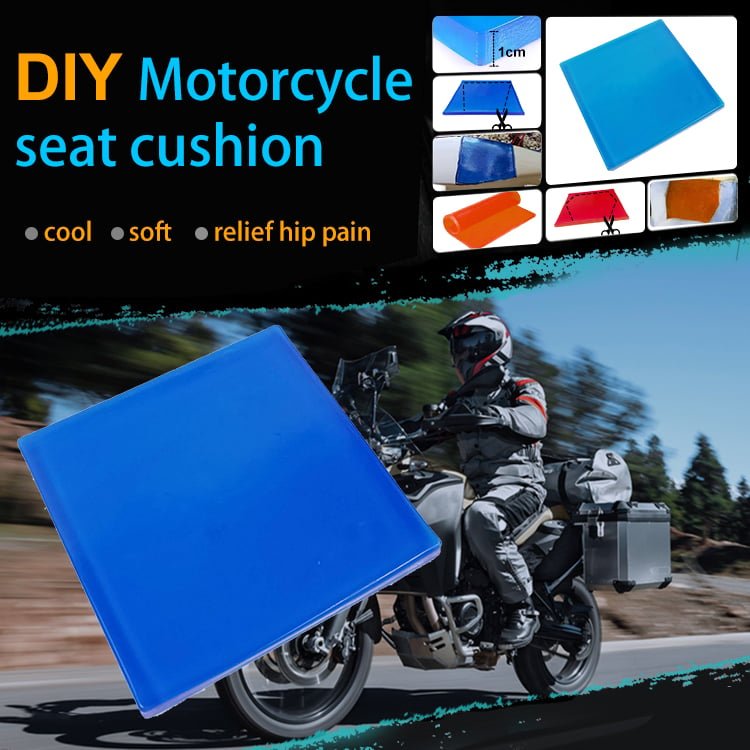

Choosing the right gel thickness is one of the most important steps when upgrading a motorcycle seat. If the gel is too thin, it may not provide enough pressure relief for long rides. If it is too thick, it can affect seat shape, sitting height, and overall riding feel. For most motorcycle seat builders, upholstery shops, and DIY riders, the best gel thickness depends on the type of seat, riding distance, and comfort goal.
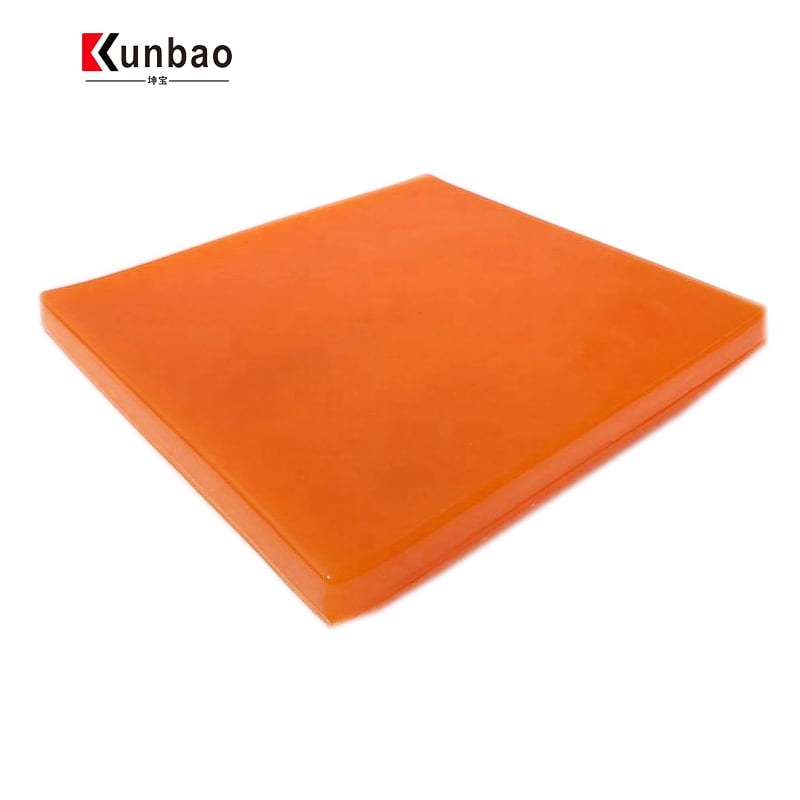
At KBCoolGel, we supply cooling gel inserts and cuttable gel sheets for motorcycle seat applications. If you work with motorcycle seat comfort solutions, understanding thickness selection can help you choose a more suitable gel insert for your project.
Motorcycle seat comfort is not only about material quality. Thickness directly affects how the gel performs inside the foam.
A thinner gel layer usually keeps the seat profile closer to the original design. It is often easier to install and works well when the seat has limited internal space. A thicker gel layer usually provides more noticeable cushioning and pressure distribution, especially for riders who spend long hours on the road.
The goal is to find the right balance between comfort, support, and seat structure.
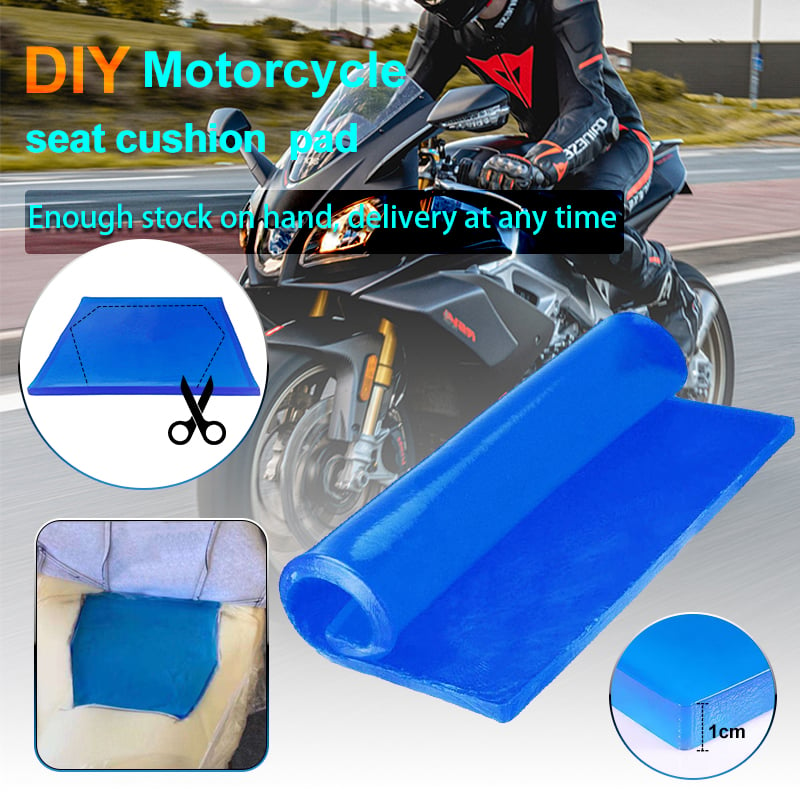
A 1 cm gel insert is often a practical option for sport bikes, narrow seats, or seats with limited foam depth. It can improve comfort without changing the seat shape too much.
This thickness is often chosen when:
A thinner insert may work well for short to medium rides, but for long-distance touring, some riders may want more pressure relief than a 1 cm gel layer can provide.
For many seat builders, 1.5 cm is a very balanced thickness. It offers more comfort than a thin gel pad while still keeping the seat stable and practical for everyday use.
This thickness is a good choice when:
In many cases, 1.5 cm works well for custom upholstery projects because it gives a noticeable comfort improvement without making the seat feel overly raised.
For touring seats, cruiser seats, and long-ride comfort upgrades, 2 cm gel inserts are often one of the best options. A thicker gel layer provides more cushioning effect and can help reduce concentrated pressure on the hips and tailbone during long rides.
A 2 cm gel insert is usually recommended when:
For example, a 20202cm gel insert for motorcycle seat can be a practical choice for compact seat modifications, while larger projects may require custom size gel sheets to match different seat structures.
Thickness is important, but it is not the only factor. You should also consider:
If the original foam is shallow, a thick gel insert may be difficult to fit correctly. In this case, a thinner gel layer may work better.
Heavier riders often need stronger support and may benefit more from a thicker gel insert, especially for extended rides.
Wide touring seats and larger cruiser saddles usually allow more flexibility in gel size and thickness. Narrow seats often require a more controlled solution.
The gel insert should sit correctly inside the seat foam. If you are preparing a DIY upgrade, this guide on how to install a gel insert in a motorcycle seat can help you understand the basic process.
For most motorcycle seat projects, the most practical thickness range is 1 cm to 2 cm.
If you are a brand, upholstery workshop, or seat manufacturer, the best solution may be a customized gel insert based on your seat design. KBCoolGel also supports OEM gel insert manufacturing for motorcycle seats and other comfort products.
There is no single thickness that fits every motorcycle seat. The best gel thickness depends on seat depth, riding style, comfort expectations, and installation design. For many projects, 1.5 cm to 2 cm offers the best balance of pressure relief and seat performance.
If you are looking for motorcycle seat gel inserts, custom gel sizes, or OEM support, KBCoolGel can provide semi-finished cooling gel sheets for motorcycle seat builders, custom shops, and industrial applications.
 Hot News
2026-04-03
2026-04-15
2026-03-21
2026-04-01
2026-04-10
2026-04-07


 EN
EN