The Science Behind Cooling Gel Pillows, Real Benefits, Limitations and Material Selection
Cooling gel pillows have become a popular option for people looking for a cooler and more comfortable sleeping surface.
But do cooling gel pillows really work, or is the cooling effect simply a marketing claim?
The short answer is yes—cooling gel pillows can provide a noticeable cooling sensation when suitable gel materials are used. However, the actual performance depends on the gel formulation, pillow construction, surrounding temperature, and how the product is used.
Not every cooling gel pillow performs the same way.
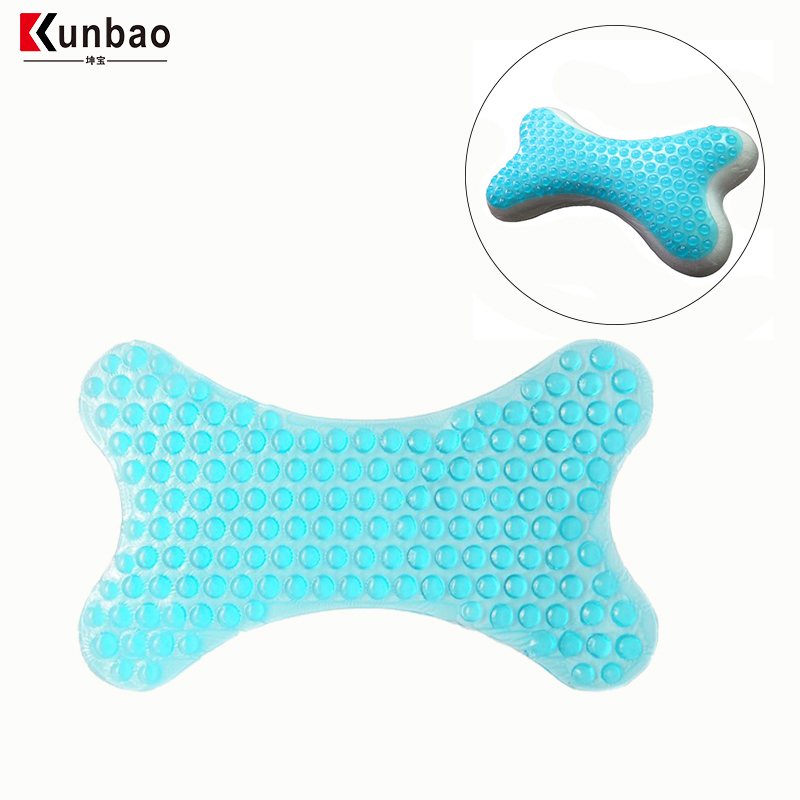
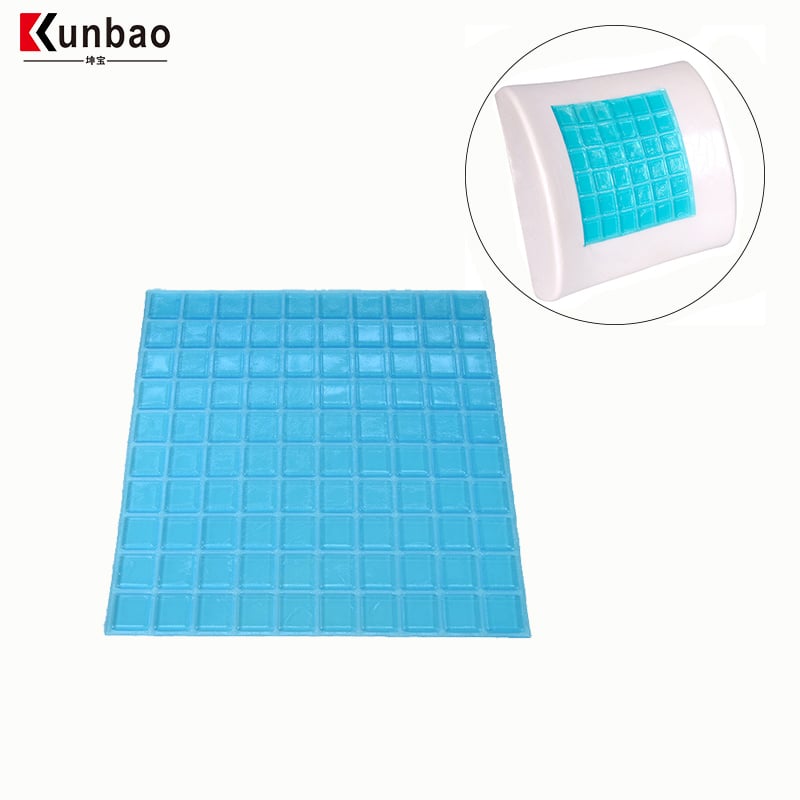
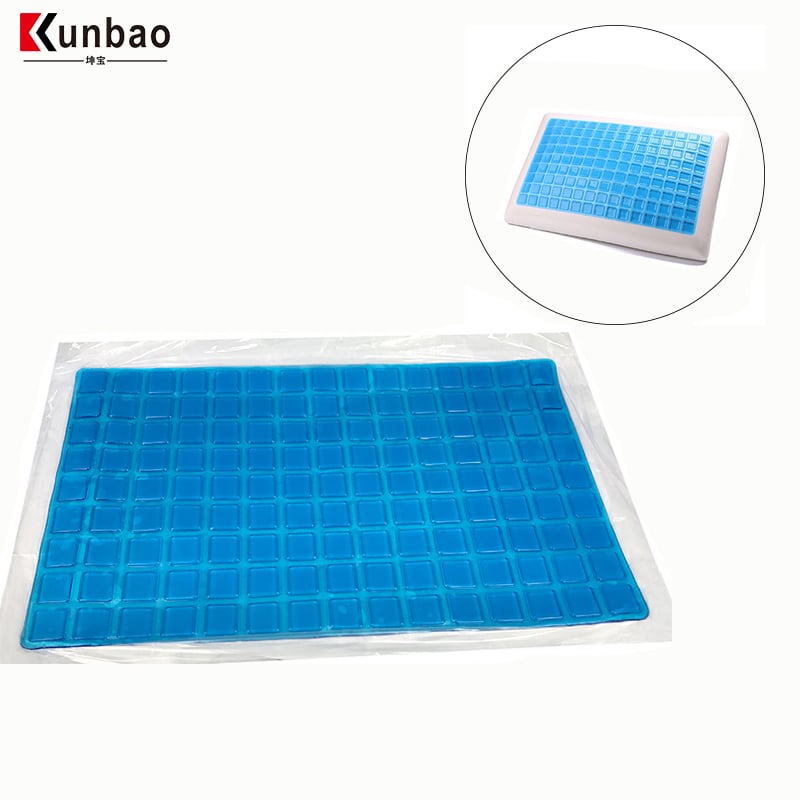
Some products use a separate cooling gel sheet, while others contain gel-infused memory foam or removable gel inserts. These different constructions can produce different cooling sensations.
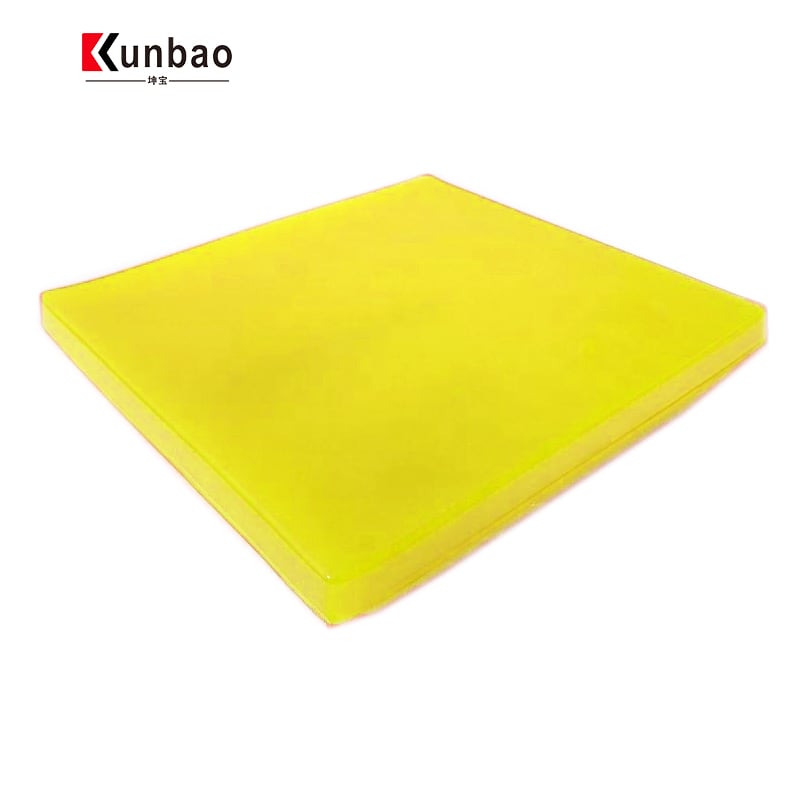
At Kunbao, we manufacture customizable PU gel sheets, hydrogel sheets, and gel inserts for pillow manufacturers.
In this article, we explain how cooling gel pillows work, what benefits they can provide, their limitations, and how manufacturers can evaluate cooling performance.
Yes. Certain gel materials can create a noticeable cool-touch sensation when they come into contact with warmer skin.
This happens because heat naturally transfers from the warmer body to the cooler pillow surface.
The strength of the initial cooling sensation depends on the thermal properties of the gel and the surrounding materials.
However, not all gel formulations provide the same cooling effect.
For example, two gel sheets with similar appearances may have different thermal conductivity, heat capacity, softness, and surface characteristics.
This is why the material formulation is important.
A cooling gel pillow can feel cool, but the cooling performance should be evaluated using the actual material and finished pillow structure.
Most conventional cooling gel pillows use passive cooling technology.
They do not actively produce cold air or continuously refrigerate the pillow.
Instead, they influence the way heat moves between the body and the pillow.
When the head touches the pillow, the skin is generally warmer than the pillow surface.
Heat begins transferring from the skin to the cooler material.
The gel absorbs and redistributes heat according to its thermal properties.
Certain formulations may provide a stronger initial cooling sensation than conventional foam surfaces.
As the pillow materials become warmer, the temperature difference between the skin and gel decreases.
The cooling sensation may gradually become less noticeable.
After contact ends, the gel can gradually exchange heat with the surrounding environment and return toward room temperature.
The recovery rate depends on the gel formulation, pillow structure, and environmental conditions.
This explains why a cooling gel pillow may feel cooler again after being left unused.
Cooling gel pillows can offer several benefits, depending on their materials and construction.
One of the main benefits is the cool-touch feeling when the head first contacts the pillow.
This can be especially appealing in warm environments or for users who prefer a cooler pillow surface.
Soft gel sheets can introduce a different cushioning sensation when combined with memory foam or other pillow materials.
The actual comfort depends on the gel hardness, thickness, and supporting pillow core.
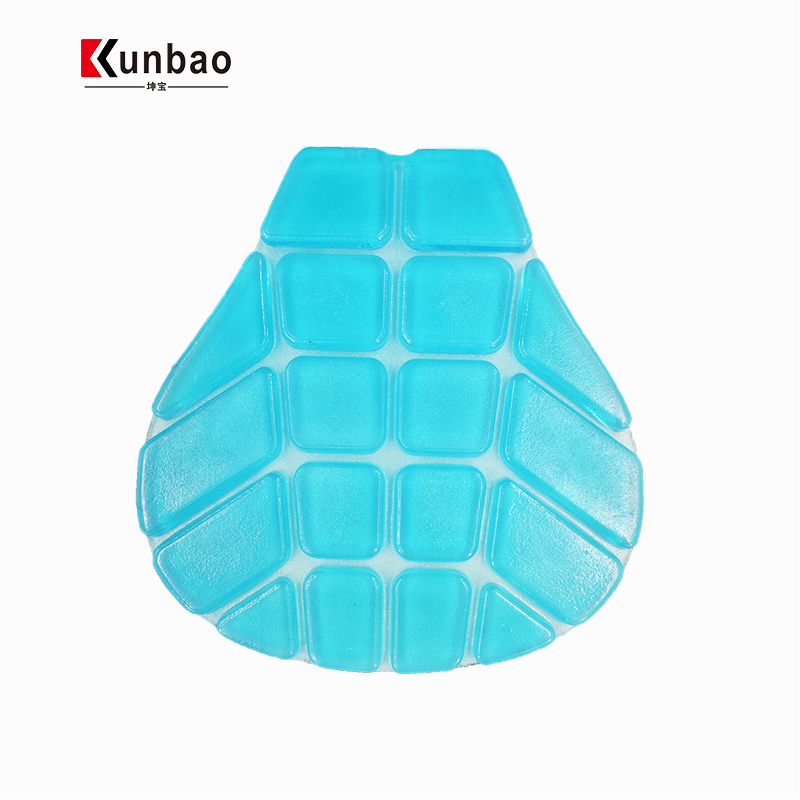
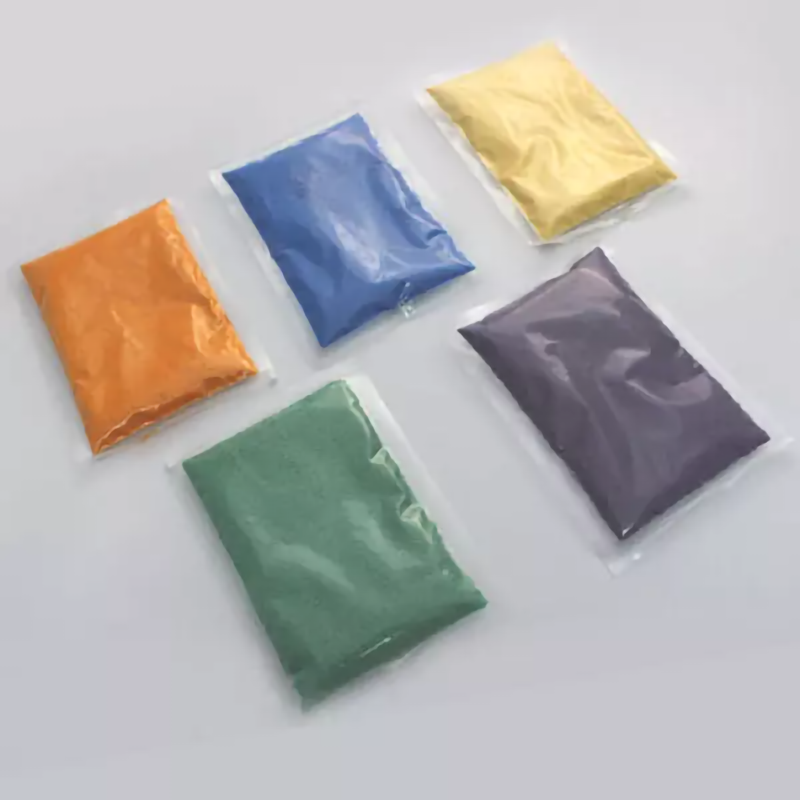
Gel sheets can be customized in different shapes, colors, thicknesses, and surface patterns.
This allows pillow manufacturers to develop differentiated products.
Cooling gel components can be incorporated into selected memory foam pillows, latex pillow covers, and conventional pillow designs.
The manufacturing method depends on the gel material and product structure.
A suitable gel-and-pillow combination may improve perceived thermal comfort compared with a reference product under certain conditions.
However, cooling sensation does not automatically prove better sleep quality, reduced sweating, or medical benefits.
These outcomes require separate evidence.
It is equally important to understand their limitations.
Most passive cooling gel pillows do not contain a refrigeration system.
They cannot maintain a constant cold temperature indefinitely.
As the gel absorbs heat, its temperature may rise.
The cooling sensation can become weaker during continuous contact.
A cooler pillow surface may feel more comfortable for some users, but better sleep quality depends on many factors.
A cooling gel pillow should not be advertised as a guaranteed solution for insomnia or other sleep disorders without appropriate evidence.
The words "cooling gel" do not describe a single standardized material.
Different formulations and constructions can behave very differently.
The best way to judge a cooling gel pillow is through measurable performance and real product testing, not marketing claims alone.
Several factors influence cooling performance.
Different gel materials have different thermal properties.
Even within the same material category, formulations can vary.
Thickness affects material quantity, cushioning, weight, and thermal behavior.
However, thicker gel does not automatically mean stronger or longer-lasting cooling.
A gel sheet located near the pillow surface may produce a different initial cooling sensation from a gel component positioned deeper inside the foam.
A thick or insulating cover may reduce the cool-touch sensation reaching the skin.
The same gel sheet can feel different when covered with different fabrics.
The memory foam beneath the gel influences the overall thermal behavior and comfort of the finished pillow.
Passive cooling performance depends partly on the temperature difference between the pillow and the user's skin.
A gel pillow that has already become warm may provide less initial cooling.
Cooling sensation can change during continuous contact as the gel and surrounding materials warm up.
For manufacturers, all these factors should be considered when developing a cooling pillow.
PU gel and hydrogel are two material options for cooling pillow manufacturing.
PU gel is a flexible polyurethane-based material commonly used in cushioning applications.
Depending on the formulation, it can provide:
Soft and elastic cushioning
Customizable hardness
Different thickness options
Flexible gel sheet structures
Compatibility with selected foam composite processes
Cooling contact characteristics
PU gel may be suitable for manufacturers looking for a combination of cushioning, flexibility, and cooling comfort.
Hydrogel is a water-containing polymer material.
Certain hydrogel formulations can provide a stronger initial cooling sensation than conventional PU gel formulations.
Potential characteristics include:
Noticeable initial cool-touch sensation
Flexible gel structures
Different cushioning properties
Customizable thickness and surface patterns
Options for selected cooling pillow applications
However, hydrogel requires additional consideration of moisture retention, protective films, temperature exposure, and long-term material stability.
There is no universal answer.
A hydrogel formulation may provide stronger initial cooling than a particular PU gel formulation, but the complete product must still be evaluated for comfort, durability, stability, and manufacturing compatibility.
For pillow manufacturers, comparing actual PU gel and hydrogel samples is more useful than choosing a material based on its name alone.
Not all gel pillows use a separate gel layer.
Some contain gel additives incorporated into memory foam.
These two constructions are different.
| Feature | Cooling Gel Sheets | Gel-Infused Memory Foam |
|---|---|---|
| Gel Structure | Separate gel layer or insert | Gel additives within foam |
| Cooling Contact | Depends on gel position and covering | Depends on foam formulation and structure |
| Cushioning | Can add a distinct gel cushioning layer | Primarily determined by foam |
| Customization | Gel hardness, thickness, shape, and pattern | Foam formulation and additive selection |
| Manufacturing | Additional gel integration step | Gel incorporated during foam production |
| Material Evaluation | Gel and finished pillow testing | Foam and finished pillow testing |
Neither construction is automatically superior.
The cooling performance depends on the actual materials and finished product design.
There are several ways to evaluate cooling performance.
Compare the initial cooling sensation of the gel pillow with a reference pillow under the same conditions.
A controlled sensory evaluation can help identify perceived differences, although subjective results should not replace objective measurements.
Measure the pillow surface temperature during a defined contact test.
This can show how the surface temperature changes over time.
Thermal conductivity testing evaluates how a material conducts heat under specified conditions.
It can help compare material characteristics.
However, higher thermal conductivity alone does not prove longer cooling duration or better finished pillow performance.
Compare finished pillows using the same:
Room temperature
Initial sample temperature
Pillow cover
Contact pressure
Heat source
Measurement method
Test duration
This helps reduce the influence of unrelated variables.
Cooling performance is only one part of product quality.
Manufacturers should also consider material durability, adhesion, protective layers, and long-term stability.
For reliable results, material-level testing and finished pillow testing should be considered separately.
For consumers, the value of a cooling gel pillow depends on personal comfort preferences, pillow support, cooling expectations, and price.
A well-designed gel pillow may provide a pleasant initial cooling sensation and additional cushioning.
However, users should not expect every passive gel pillow to remain cold throughout the night.
For pillow manufacturers, cooling gel materials can also provide opportunities for product differentiation.
For example, manufacturers can develop:
Memory foam pillows with cooling gel surfaces
Contoured pillows with customized gel inserts
Latex pillows with cooling gel covers
Conventional pillows with removable gel pads
Premium pillows with customized gel patterns
The commercial value depends on the finished product's performance, manufacturing cost, quality, and market positioning.
When developing cooling gel pillows, selecting the right material supplier is important.
A supplier with multiple formulations can offer more options for different cooling and cushioning requirements.
Different pillow structures require different gel specifications.
Ask for available thermal comparison data and applicable material documentation.
Confirm whether the gel is suitable for the intended foam molding, bonding, or pillow cover assembly process.
The supplier should be able to support different pillow designs.
Testing actual gel samples is important before confirming a bulk order.
Material consistency and quality control are essential for repeat manufacturing.
Kunbao is a custom gel material manufacturer serving pillow factories, bedding brands, and OEM customers.
Since 2011, we have specialized in developing gel materials for cooling, cushioning, and comfort applications.
Our capabilities include:
More than 15 years of gel manufacturing experience
More than ten gel formulations
Different raw material grades
PU gel and hydrogel materials
Custom gel hardness and thickness
Custom sizes, shapes, colors, and surface patterns
More than 400 existing molds
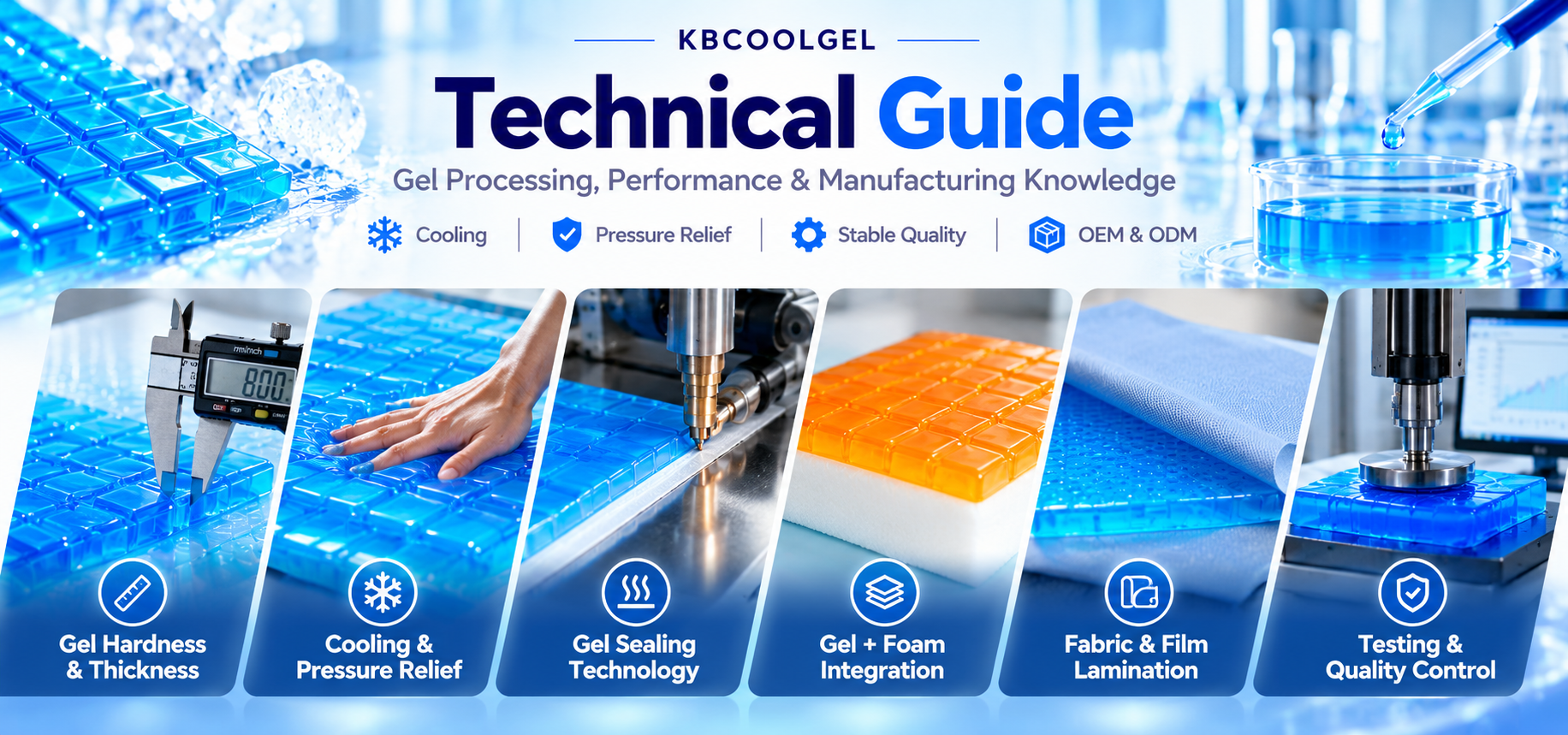
Fabric-backed and film-laminated gel sheets
Customized finished gel inserts
Gel and foam composite development
Free mold development for eligible OEM projects
Sample development and mass production support
We can provide available comparative thermal test information for relevant gel materials.
Instead of recommending one standard gel formulation for every pillow, we help manufacturers select suitable materials based on their product requirements.
Yes. Suitable gel materials can provide a noticeable initial cooling sensation. However, the actual performance depends on the gel formulation, pillow construction, and usage conditions.
Most passive cooling gel pillows do not maintain a constant cold temperature throughout the night. Their cooling sensation may decrease as the materials warm up.
Not necessarily. Gel pillows may provide additional cooling contact and cushioning characteristics, but overall comfort depends on the complete pillow design.
Not always. Thickness affects thermal behavior and cushioning, but cooling performance also depends on the gel formulation and other materials.
Certain hydrogel formulations may provide stronger initial cooling than conventional PU gel formulations. The actual difference should be verified through comparable testing.
Yes. Suitable gel sheets or inserts can be incorporated into compatible pillow designs through bonding, cover assembly, or other approved methods.
Yes. Kunbao offers custom gel formulations, sizes, shapes, hardness levels, thicknesses, and selected backing structures for OEM projects.
Cooling gel pillows can provide a real cool-touch sensation and additional cushioning comfort.
However, the results depend on the gel material, thickness, pillow cover, foam structure, and environmental conditions.
For consumers, the key is to choose a pillow that matches their comfort expectations.
For manufacturers, the key is to select suitable gel materials and verify performance through actual product testing.
At Kunbao, we manufacture customized PU gel sheets, hydrogel sheets, and gel inserts for OEM pillow production.
Looking for cooling gel materials for your pillow factory?
Share your pillow design, preferred gel thickness, softness, and target cooling requirements.
Our team can help you evaluate suitable gel materials and develop samples for your project.
REQUEST COOLING GEL SAMPLES | DISCUSS YOUR OEM PROJECT
Kunbao — Custom Gel Materials & Solutions Manufacturer Since 2011
Website: www.kbcoolgel.com
 Hot News
2026-08-20
2026-09-08
2026-10-06
2026-09-09
2026-10-11
2026-10-05


 EN