A Practical Guide to Washing, Drying, Storage and Extending the Life of Cooling Gel Pillows
Cooling gel pillows are designed to provide a refreshing sleeping surface and additional cushioning comfort. However, proper cleaning and maintenance are important for keeping the pillow hygienic, comfortable, and in good condition.
One of the most common questions is:
Can you wash a cooling gel pillow?
The answer depends on how the pillow is manufactured.
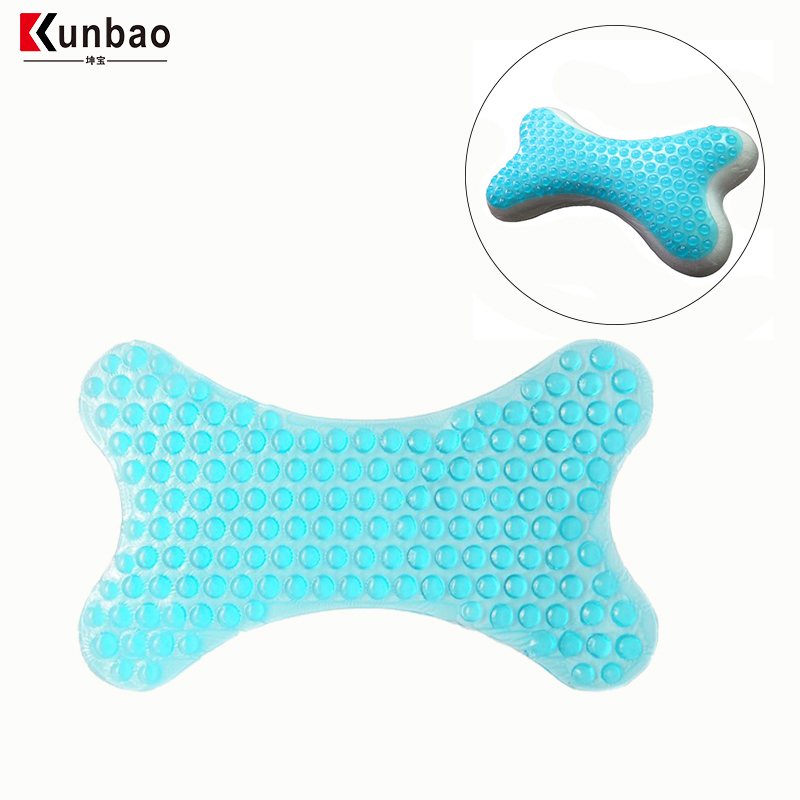
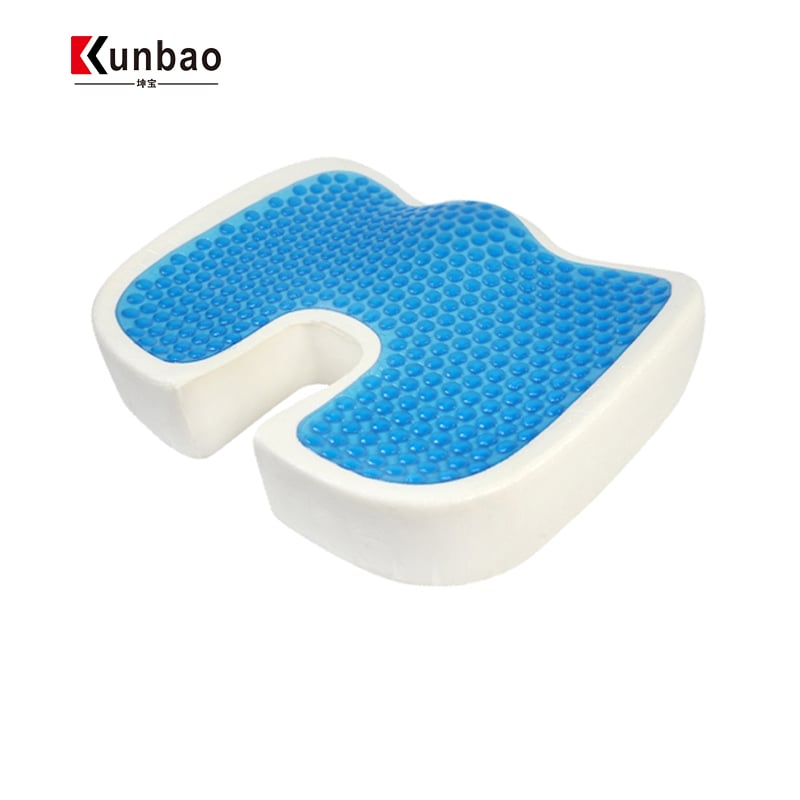
Some cooling gel pillows contain a removable gel insert, while others have a gel sheet bonded directly to memory foam. Certain designs use fabric-backed gel materials or protective films.
Because these structures are different, their cleaning requirements may also vary.
At Kunbao, we manufacture customizable PU gel sheets, hydrogel sheets, and gel inserts for pillow manufacturers.
In this guide, we explain how to clean different cooling gel pillow structures, what cleaning methods to avoid, and how manufacturers can design gel pillows for easier maintenance.
Some cooling gel pillows have washable removable covers, but this does not necessarily mean the gel component or pillow core can be washed.
Before cleaning, identify the pillow's construction and check the manufacturer's care instructions.
Common cooling gel pillow structures include:
Memory foam pillows with bonded gel sheets
Pillows with removable cooling gel inserts
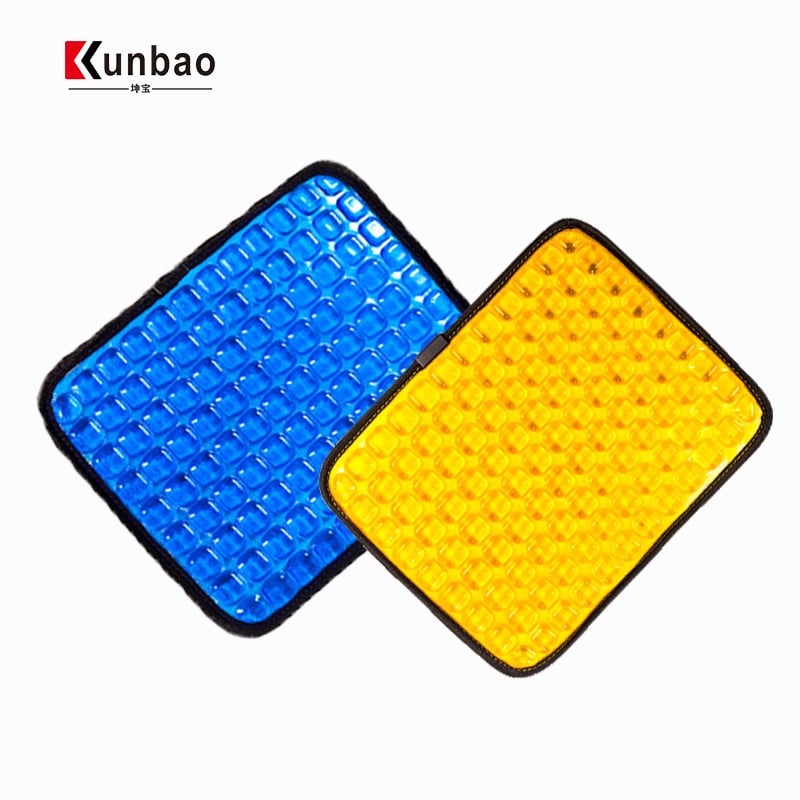
Fabric-backed gel components incorporated into pillow covers
Gel-infused memory foam pillows
Hydrogel inserts enclosed within protective films
For many products, the safest general approach is to clean the removable pillow cover according to its care label and use an approved spot-cleaning method for non-washable components.
Never assume that the entire pillow is machine washable simply because it contains cooling gel.
The following is a general cleaning approach for pillows whose manufacturer permits spot cleaning. Always follow the product-specific care label if it differs.
If the pillow has a removable cover, carefully unzip and remove it.
Check whether the cover can be machine washed or requires hand washing.
Follow the fabric manufacturer's recommended washing temperature and drying instructions.
Before cleaning the gel, check for:
Tears or cracks
Damaged protective films
Loose edges
Leakage or unusual residue
Separation between the gel and foam
Changes in surface appearance
If the gel component is damaged, stop using it and contact the product manufacturer for guidance.
If permitted, gently remove dust from the gel component or pillow core using a clean, soft, dry cloth.
Avoid abrasive brushes or tools that could damage the gel surface or protective film.
For gel components approved for damp wiping, use a soft cloth lightly moistened with water.
If the manufacturer allows a mild cleaning solution, use only the recommended type and concentration.
Avoid excessive water and do not saturate the pillow.
If a cleaning solution was used, wipe away any remaining residue according to the manufacturer's instructions.
Do not leave detergent on the gel surface or protective film.
Place the component in a clean, well-ventilated area away from direct heat.
Allow all cleaned surfaces and surrounding materials to dry fully before reassembly.
Once the components are completely dry, replace the pillow cover.
Check that the gel sheet or insert remains correctly positioned.
In most cases, you should not machine wash a cooling gel pillow unless the manufacturer specifically confirms that the complete product is machine washable.
Washing machines can expose the pillow to:
Repeated bending
Mechanical agitation
Spinning forces
Excessive water
Detergent exposure
Temperature changes
These conditions may damage certain gel materials, protective films, adhesive bonds, or memory foam structures.
A removable fabric pillow cover may be machine washable if its care label permits it.
However, the gel insert and foam core should be treated as separate components.
Even when gel additives are incorporated into the foam, the foam core should not automatically be considered machine washable.
The foam manufacturer's care instructions should be followed.
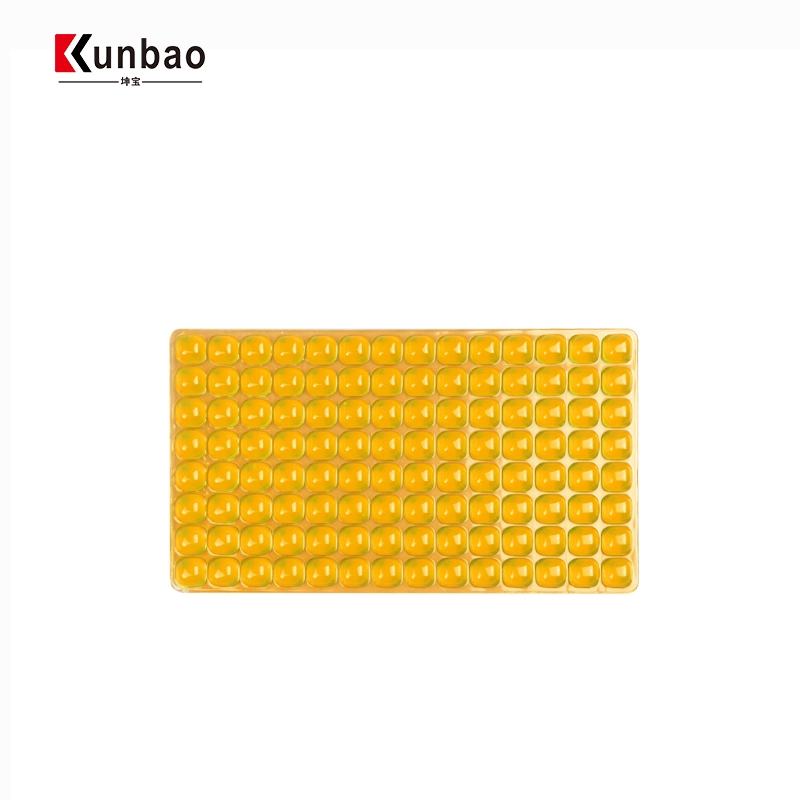
PU gel is a flexible polyurethane-based material used in cushioning and cooling applications.
Its cleaning compatibility depends on the specific formulation, surface structure, and backing materials.
For PU gel sheets approved for surface wiping, gentle cleaning with a soft, slightly damp cloth may be appropriate.
However, manufacturers should confirm compatibility before recommending water, detergent, alcohol, or disinfectants.
Avoid sharp or abrasive cleaning tools.
Do not expose the gel to unapproved cleaning chemicals.
Avoid excessive stretching or twisting.
Do not use high-temperature drying unless specifically permitted.
Inspect any adhesive backing or laminated fabric before cleaning.
Some PU gel sheets include release paper or other backing materials used during manufacturing and assembly.
These structures may require different handling instructions from finished gel inserts.
Hydrogel is a water-containing polymer material used in selected cooling applications.
Compared with some conventional PU gel structures, hydrogel may require additional attention to moisture retention, protective films, and edge sealing.
For hydrogel inserts enclosed within protective films, cleaning should generally focus on the outer surface, using only methods approved for that film and sealing structure.
Do not puncture or cut the protective film.
Do not immerse the insert unless immersion has been specifically approved.
Avoid excessive heat.
Do not use strong solvents or unapproved disinfectants.
Check the edges and protective film for damage.
Follow the manufacturer's storage and temperature recommendations.
If a hydrogel insert becomes damaged or begins leaking, discontinue use.
Hydrogel should not automatically be treated as waterproof or machine washable simply because it contains water.
Many cooling gel pillows combine a gel sheet with a memory foam core.
This structure requires special attention because the gel and foam may have different cleaning limitations.
Remove the washable pillow cover.
Inspect the gel-to-foam bonding area.
Gently spot clean approved surfaces.
Avoid soaking the foam.
Allow the pillow to dry thoroughly in a ventilated location.
Reassemble only after drying is complete.
Memory foam can retain moisture, and excessive wetting may make complete drying difficult.
Depending on the foam formulation, soaking or aggressive washing may also affect its structure or performance.
The gel-to-foam adhesive bond may have separate water-resistance limitations.
For this reason, the finished pillow manufacturer's instructions should take priority over general cleaning advice.
Not every cleaning chemical is compatible with gel materials.
Some detergents, solvents, alcohol-based cleaners, or disinfectants may affect certain gel formulations, protective films, surface coatings, or adhesives.
Possible effects include:
Changes in surface appearance
Increased tackiness
Discoloration
Film deterioration
Adhesive weakening
Material swelling or changes in flexibility
For ordinary household maintenance, manufacturers may recommend gentle wiping methods where validated.
However, a cleaning agent should only be recommended after compatibility with the actual gel component has been confirmed.
Products intended for healthcare or other environments requiring repeated disinfection may need separate chemical-resistance and cleaning-validation testing.
Proper drying is important after cleaning.
Where the manufacturer permits damp wiping, the cleaned component should generally be allowed to dry under suitable ambient conditions.
Do not use a hair dryer, heater, tumble dryer, or other high-temperature equipment unless the product manufacturer has specifically approved that method.
Excessive heat may affect certain gel formulations, foam materials, protective films, and adhesives.
Prolonged exposure to direct sunlight may affect the appearance or stability of some polymer materials.
A shaded, ventilated location is generally preferable when permitted by the care instructions.
Do not reinstall the pillow cover while the foam or other absorbent components remain damp.
Trapped moisture may cause unwanted odors or other hygiene problems.
Cleaning frequency depends on the pillow cover, usage conditions, and manufacturer's instructions.
The removable cover typically requires more frequent cleaning than the internal gel component.
A practical maintenance approach is:
| Component | General Care Approach |
|---|---|
| Removable pillow cover | Wash according to its care label and usage needs |
| Exposed gel surface | Inspect and spot clean when necessary, if permitted |
| Gel insert | Check for damage and clean only by approved methods |
| Memory foam core | Avoid soaking; spot clean only if allowed |
| Protective film | Inspect for tears, punctures, or sealing damage |
These are general recommendations rather than universal washing schedules.
Manufacturers should provide care instructions specific to the finished product.
Proper storage can help protect the pillow's appearance and material condition.
Store the pillow in a clean, dry location within the manufacturer's recommended temperature range.
Do not leave gel pillows near heaters or in other locations where prolonged high temperatures may exceed the material's validated storage conditions.
Sharp objects can damage gel surfaces and protective films.
Long-term heavy compression or improper folding may affect some pillow structures.
For removable inserts, use suitable packaging or protective materials recommended by the manufacturer.
Hydrogel materials may require particular attention to protective packaging and moisture retention.
The appropriate conditions depend on the actual formulation and finished structure.
There is no single lifespan that applies to every cooling gel pillow.
Durability depends on:
Gel formulation
Foam quality
Protective films
Adhesive performance
Pillow construction
Usage frequency
Cleaning methods
Storage conditions
Temperature exposure
Some gel materials can maintain their intended characteristics for extended periods under suitable conditions.
However, the expected service life of the complete pillow should be established through relevant product testing and actual-use evaluation.
Consider replacing or inspecting the pillow if you notice:
Torn or leaking gel components
Significant foam deformation
Persistent odors that do not resolve through approved cleaning
Damaged protective films
Separation between the gel and foam
Significant changes in comfort or support
A damaged gel insert should not continue to be used without appropriate manufacturer guidance.
Yes.
For pillow manufacturers, cleaning and maintenance should be considered during product development rather than after the product reaches the market.
Several design options may improve serviceability.
A removable fabric cover allows the textile component to be cleaned separately from the gel and foam.
A dedicated compartment can allow a gel insert to be removed for inspection or replacement.
Suitable protective films may provide an additional barrier between the gel and the surrounding materials.
However, film durability and cleaning compatibility must be validated.
Fabric-backed gel components can be integrated into selected pillow cover structures.
Their washability depends on the gel, fabric, lamination, and finished assembly.
Appropriate edge-finishing methods may help protect certain gel insert structures.
The finished design should be evaluated for durability and intended maintenance conditions.
Before developing a cooling gel pillow, manufacturers should confirm:
Gel material type and formulation
Recommended cleaning methods
Water and detergent compatibility
Temperature limitations
Protective film requirements
Fabric backing options
Edge-sealing requirements
Gel-to-foam bonding compatibility
Storage recommendations
Available material documentation
These details help manufacturers develop accurate care labels and reduce product complaints.
Kunbao is a custom gel material manufacturer serving memory foam pillow factories, latex pillow manufacturers, bedding brands, and OEM customers.
Since 2011, we have focused on developing gel materials for cooling, cushioning, and comfort applications.
Our capabilities include:
More than 15 years of gel manufacturing experience
More than ten gel formulations
PU gel and hydrogel options
Different raw material grades
Custom gel hardness and thickness
Custom sizes, shapes, colors, and surface patterns
More than 400 existing molds
Fabric-backed and film-laminated gel sheets
Custom finished gel inserts
Gel and foam composite development
Free mold development for eligible OEM projects
Sample development and mass production support
Different pillow designs require different material structures and care instructions.
We help manufacturers evaluate suitable gel materials, backing options, and assembly methods according to their intended applications.
For cleaning or chemical-resistance requirements, the actual formulation and finished construction should be evaluated before care instructions are finalized.
Some cooling gel pillows have washable removable covers. The gel insert or foam core may require spot cleaning or other special care. Always follow the manufacturer's instructions.
Do not machine wash the complete pillow unless the manufacturer specifically confirms that it is machine washable.
Some gel surfaces may be suitable for gentle damp wiping, but immersion or soaking should not be assumed safe. Follow the product-specific care instructions.
Avoid tumble drying unless the manufacturer explicitly approves it. Heat and mechanical movement may damage certain gel, foam, or protective structures.
Use only the approved spot-cleaning method for the affected component. Avoid harsh chemicals and excessive moisture.
Cleaning depends on the protective film, sealing structure, and gel formulation. Do not immerse or use unapproved chemicals unless the manufacturer has validated the method.
Clean the removable cover according to its care label and usage conditions. Inspect and clean the gel component when necessary using approved methods.
Follow the recommended cleaning and storage instructions, avoid excessive heat and sharp objects, and replace damaged components when necessary.
Cooling gel pillows can provide cooling comfort and additional cushioning, but proper maintenance is important.
The correct cleaning method depends on whether the pillow uses PU gel, hydrogel, gel-infused foam, fabric-backed gel, or a removable insert.
For consumers, the most important rule is to follow the finished pillow manufacturer's care instructions.
For pillow manufacturers, selecting suitable gel materials and developing clear cleaning instructions are important parts of product quality.
At Kunbao, we manufacture customizable cooling gel sheets and inserts for OEM pillow production.
Developing a cooling gel pillow with removable inserts, fabric backing, or customized protective films?
Share your pillow structure, gel specifications, and maintenance requirements.
Our team can help you evaluate suitable gel material and construction options.
REQUEST CUSTOM GEL SAMPLES | DISCUSS YOUR OEM PILLOW PROJECT
Kunbao — Custom Gel Materials & Solutions Manufacturer Since 2011
Website: www.kbcoolgel.com
 Hot News
2026-08-20
2026-09-08
2026-10-06
2026-09-09
2026-10-11
2026-10-05


 EN